


Hartmann Valves GmbH

Chemical & Petrochemical

Safety for aggressive media & extreme processes

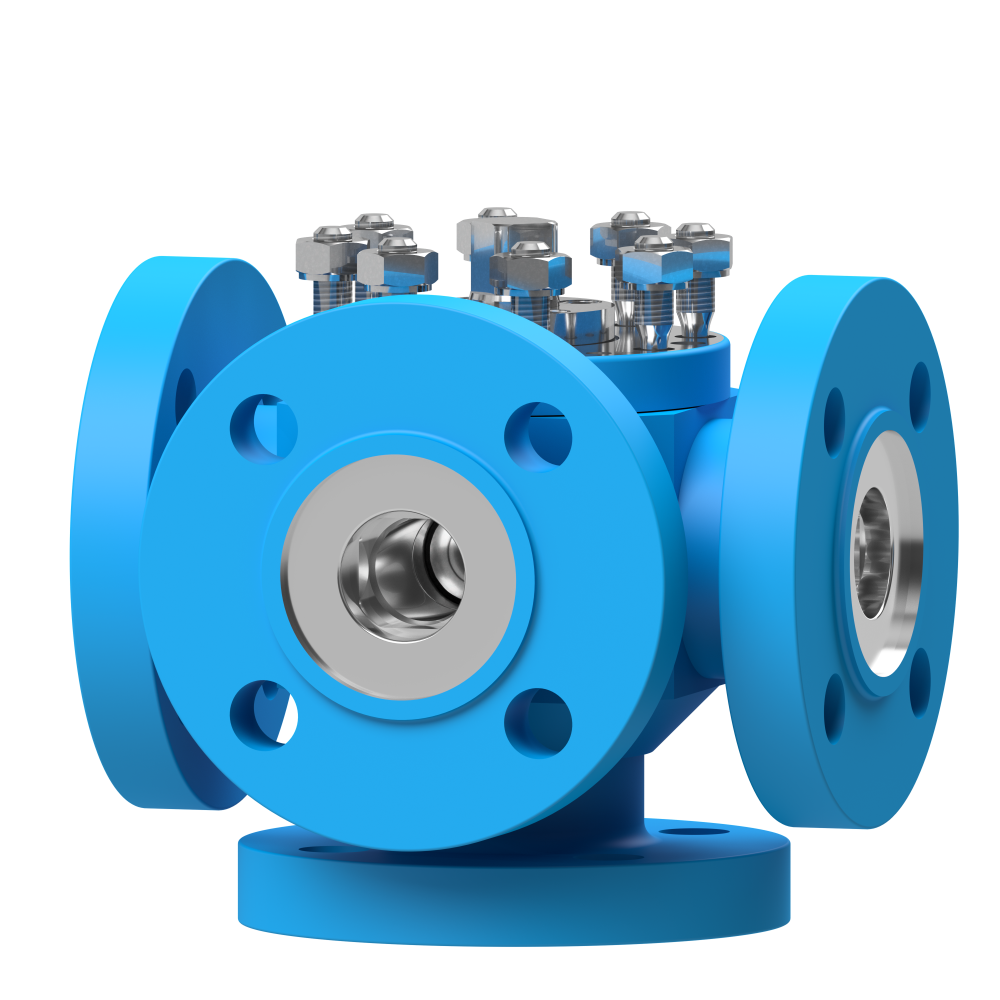
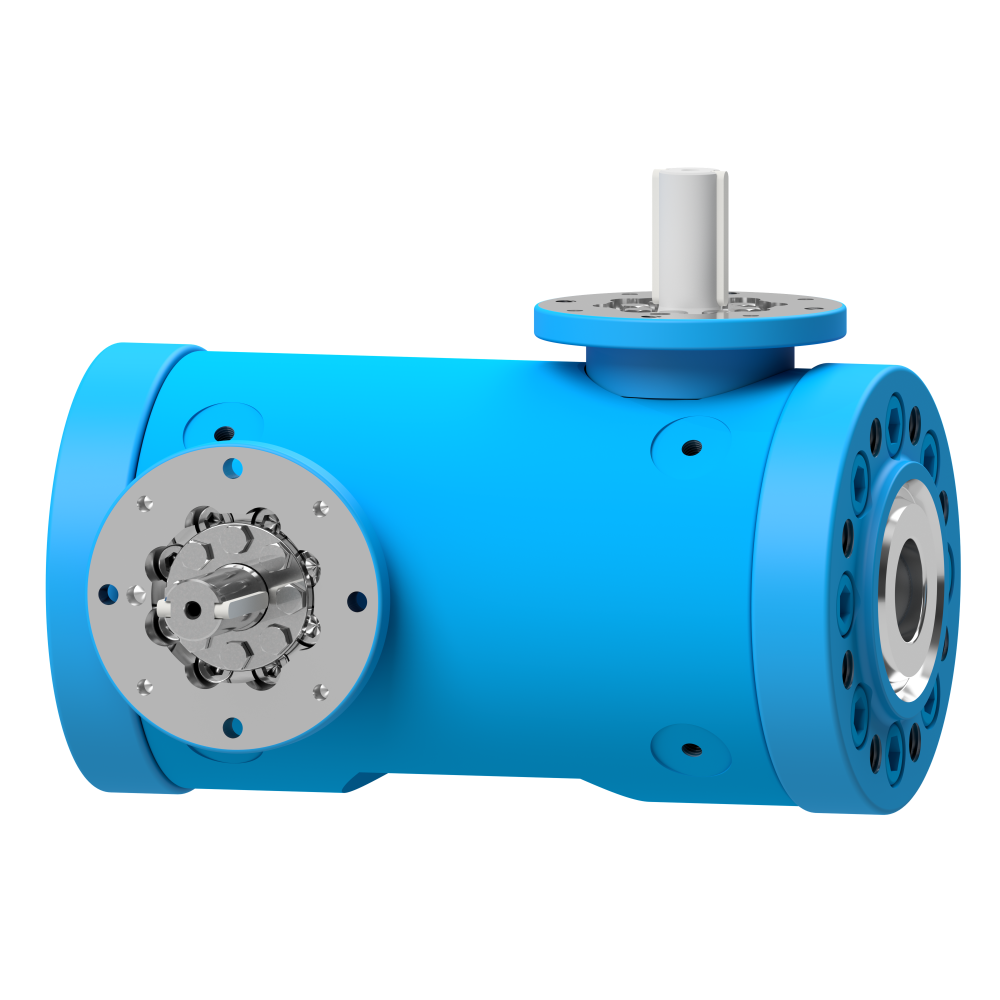
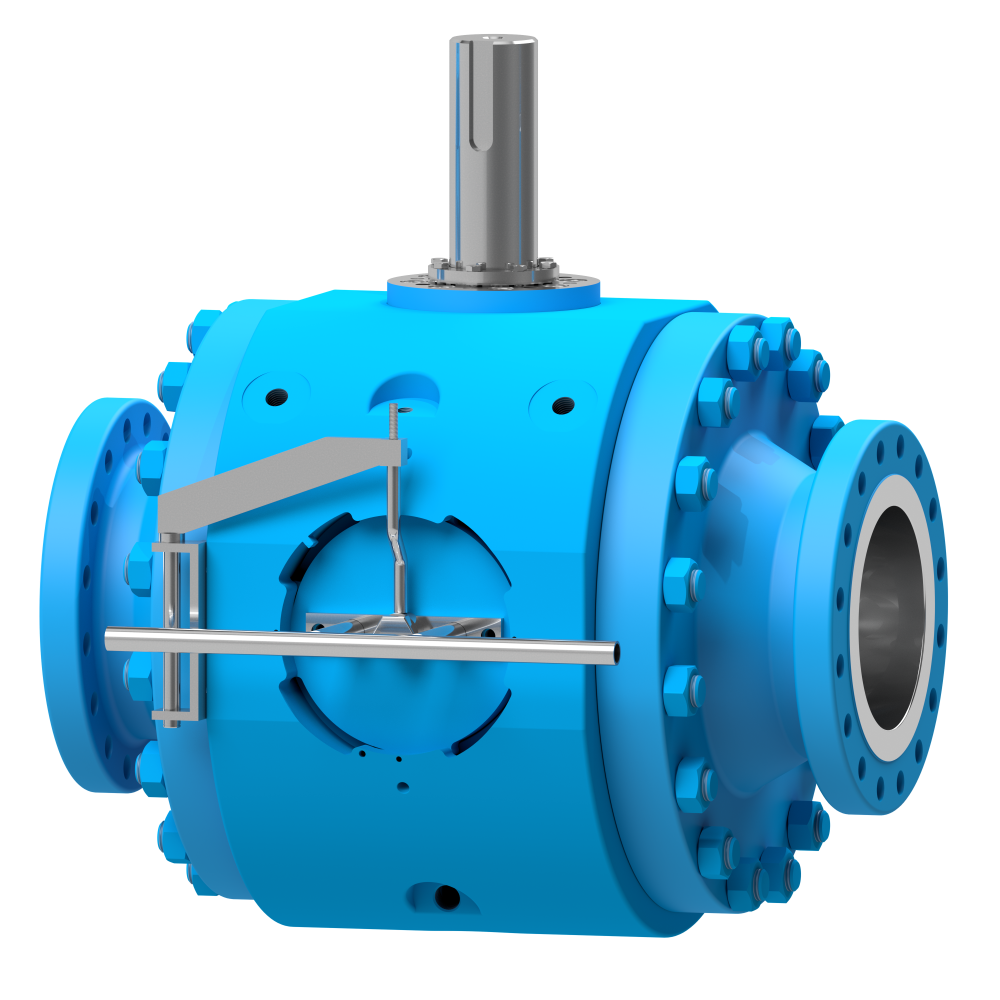
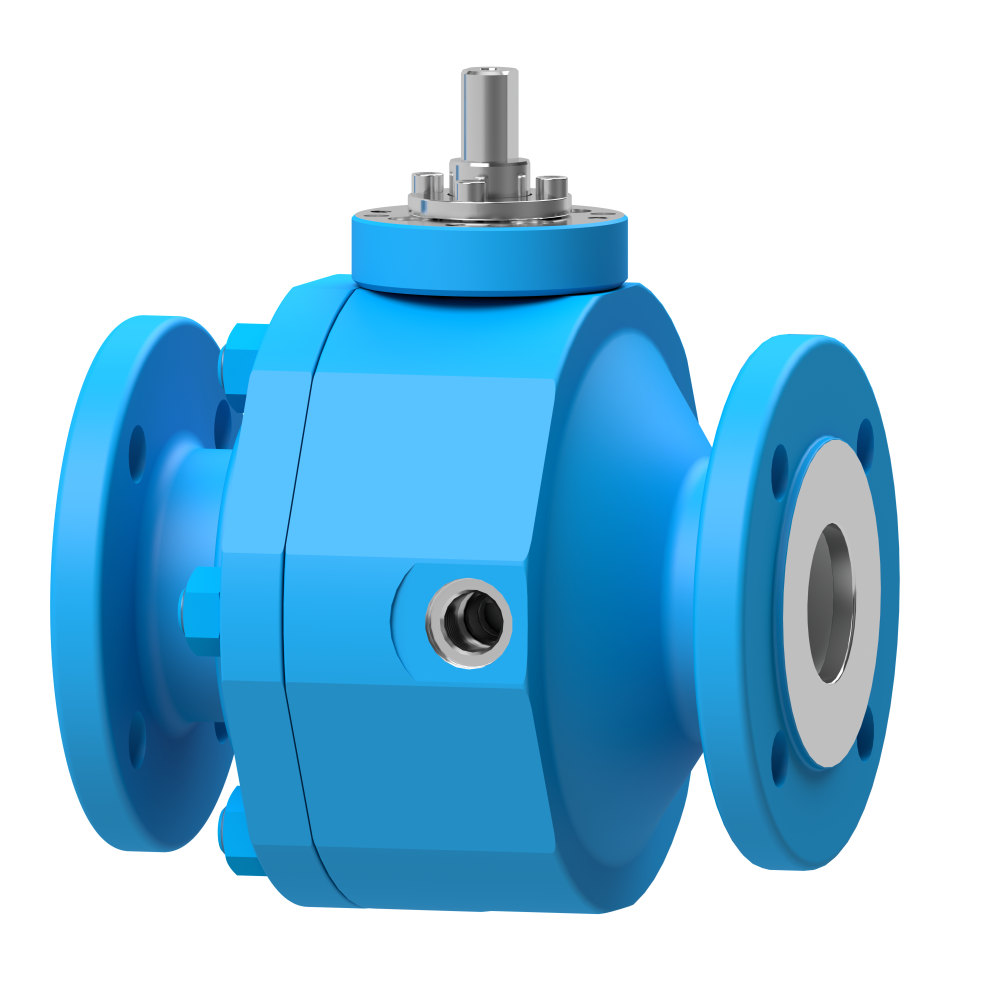
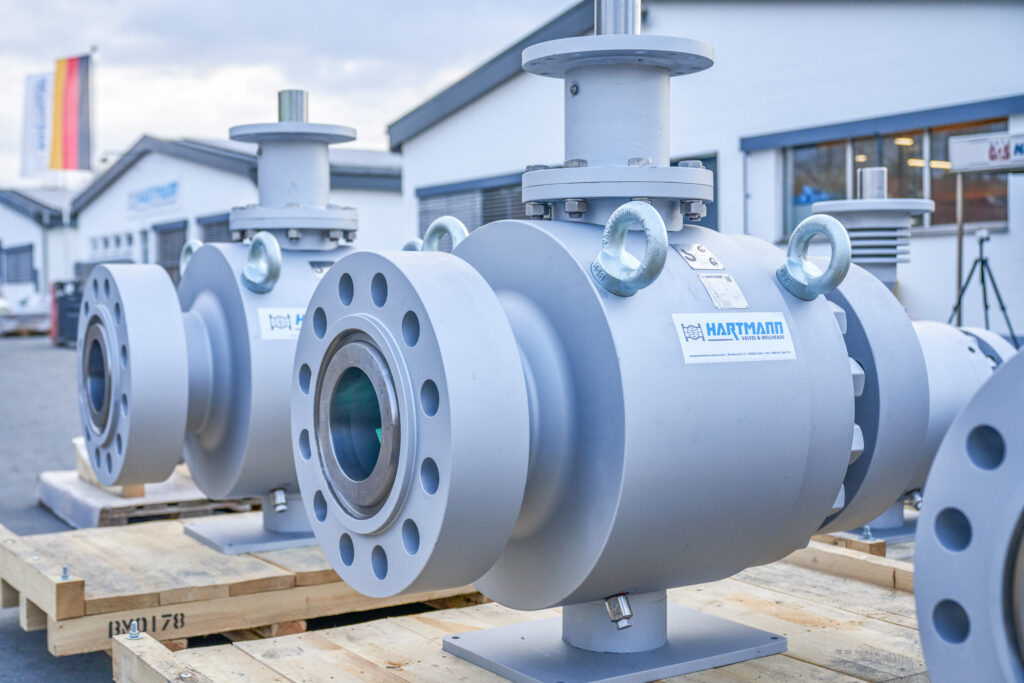
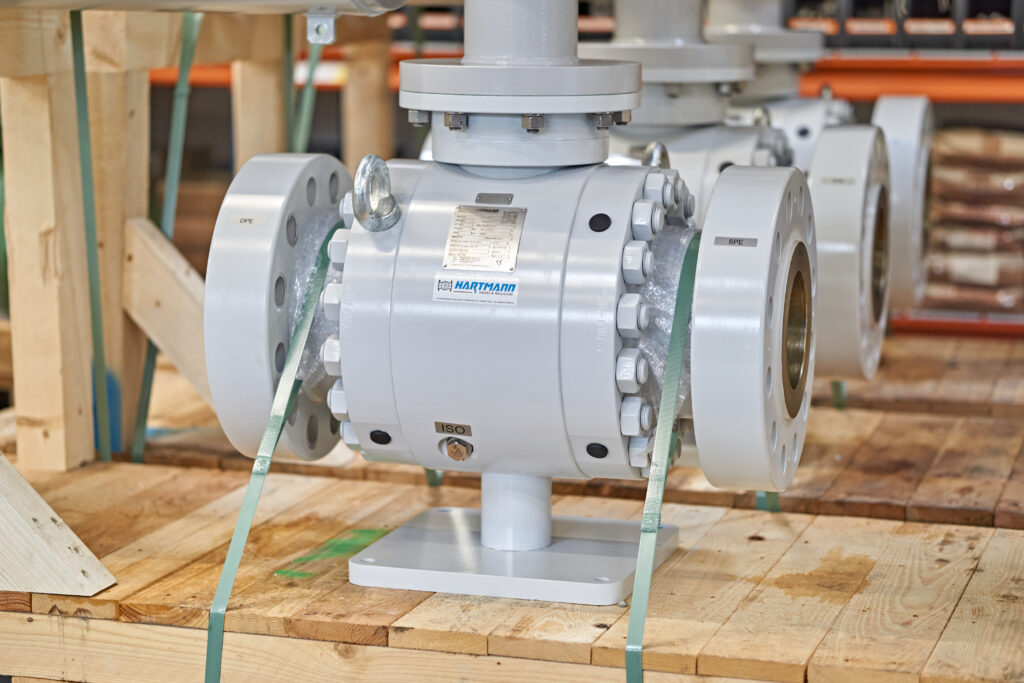
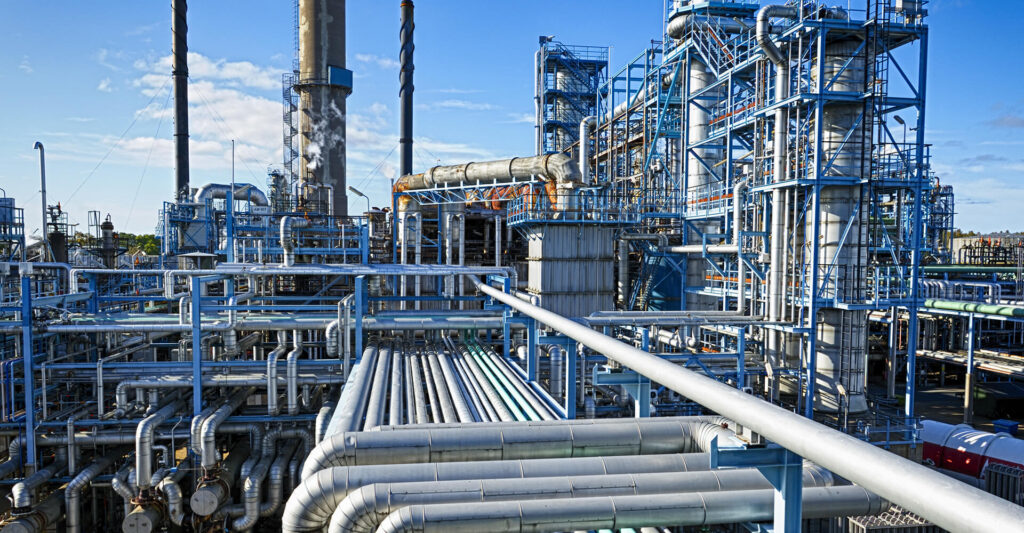
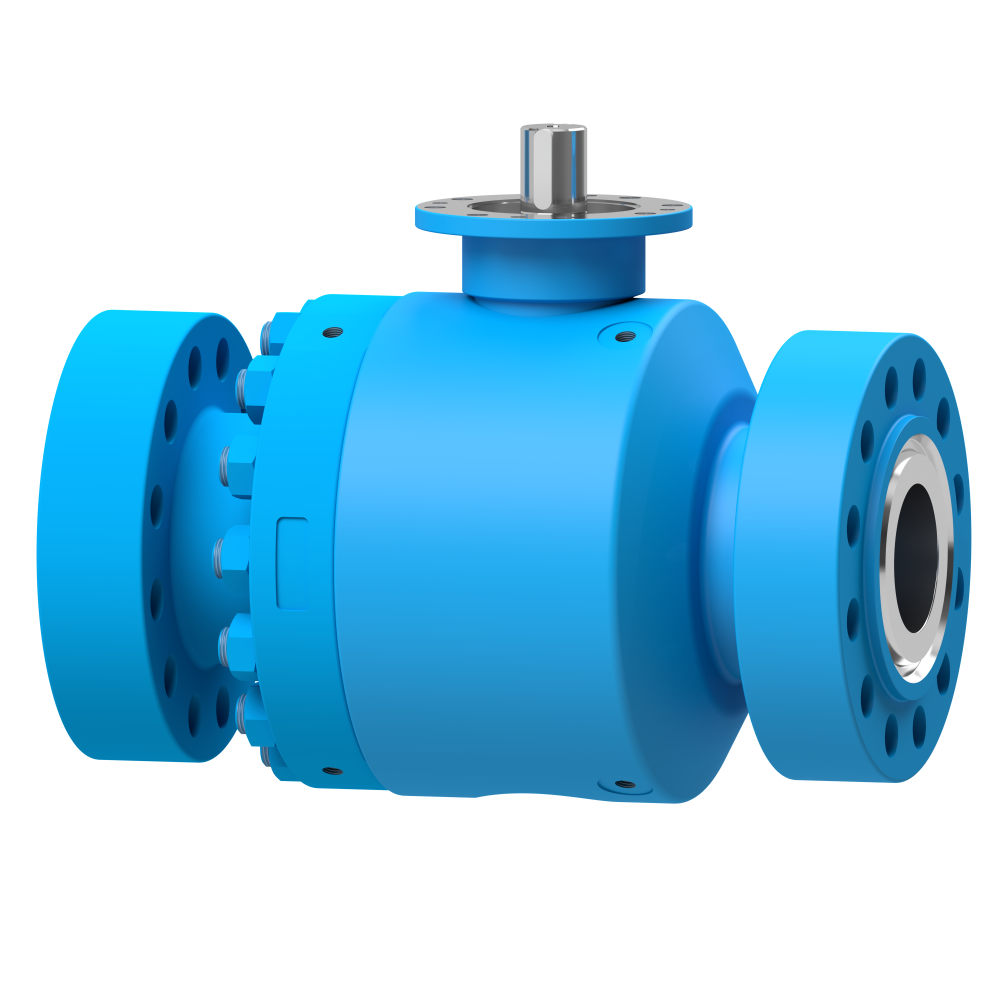
In chemical process engineering, the demands on plant components are extremely high, whether in the production of polymers, basic chemicals, gases, or fine chemicals. Hartmann Valves develops and produces metal-to-metal sealing industrial valves (ball valves) for extreme operating conditions such as high pressures, low and high temperatures, aggressive, abrasive, and degreasing media, as well as safety-critical process environments. They remain low-maintenance and stable even with frequent actuating operations and contamination. Thanks to their robust design, certified safety, and long service life, our special valves are a reliable solution for your plant.

Reliable shut-off

Our metal-to-metal sealing system

Metal-seated ball valves are designed for applications in which soft-seated systems reach their limits. They are used wherever demanding media, extreme pressures and temperatures, or very high actuation frequencies require permanently reliable shut-off. The gas-tight sealing system meets leak rate A and ensures permanently reliable shut-off.

The tightness of our valves is verified in technical tests according to the relevant regulations and in accordance with the underlying product standard. Our internal manufacturer standard exceeds the requirements of common test standards such as API 598 and DIN EN 12266. This creates a reliable basis for very high shut-off tightness in demanding applications. The internal definition of leak rate A is based on DIN ISO 5208.

The metal-to-metal sealing between the ball and seat rings ensures high wear resistance, minimized maintenance, and a long service life.

For safe operation

Safety concepts

Depending on plant requirements, our ball valves can be equipped with additional safety and functional options. The selection of suitable concepts is based on the medium, pressure direction, test requirements, actuation frequencies, and the customer’s operating and maintenance concepts.

The trunnion-mounted ball valves from Hartmann Valves can be designed with both double block and bleed (DBB) function and double isolation and bleed function (DIB).
The DBB function can be implemented in a single valve (upstream sealing on both sides with a bleed connection for depressurising/testing) (Hartmann type AST), or as a Twin Ball Valve with two separate balls (Hartmann types TSF and TST).
To implement the DIB function, Hartmann Valves uses double piston seat systems that can seal in both directions. Double piston seat systems on both sides (DIB1) are mainly used for gases, while single-sided double piston seat systems (DIB2), due to the resulting cavity pressure relief, can be used for all media. By using double piston seat systems, two barriers can be created in one direction within a single valve. When these systems are used in a Twin Ball Valve with two separate balls, up to four barriers in the pressure direction can even be achieved. These functions can therefore significantly increase plant safety.

Custom-engineered design

Manufactured individually for your processes

Our gas-tight, metal-to-metal sealing ball valves are suitable for both low and high temperatures, as well as for use at high pressures. Special designs offer additional safety and economic advantages.

Our low-maintenance and durable valves ensure maximum uptime in highly stressed systems.

Depending on the medium, the highest requirements are placed on sealing technology, the material used and the valve design: requirements that Hartmann products meet reliably over the long term.

Temperature

-200 °C (-328 °F) to + 550 °C

Pressure

from vacuum to 1030 bar (vacuum and high pressure also in one valve)

Media

Natural gas, synthesis gas, oxygen, hydrogen, helium, steam, thermal water, sludge, slag & ash, polymers, cellulose, sulfur, ethylene, propylene, polyethylene, polypropylene, ammonia, CO2, MDI, TDI, phosgene, xylenes, paraxylenes and others

Applications

e.g., Claus plants, Fischer-Tropsch process, Haber-Bosch process, electrolysis plants, reactor inlet, reactor outlet, bottom drain systems, pigging stations, filter applications, PX processes

Reference

Innovative Retrofit

Special ball valves for extreme conditions ensure energy-efficient production and greater economic efficiency in ammonia plants.

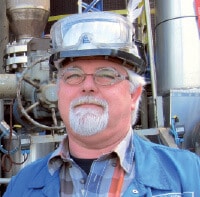
"We could not take any risks with this project. With the wrong manufacturer, we would have jeopardized the entire retrofit technically and in terms of time."
Jürgen Rommel
Yara Brunsbüttel GmbH

CERTIFIED SAFETY AND COMPLIANCE WITH STANDARDS FOR CHEMICAL AND PETROCHEMICAL PROCESSES

In the chemical industry, maximum operational safety, high availability, and standard-compliant design are crucial. Our components meet central national and international requirements for this:

  • PED
  • DIN EN 16668
  • DIN EN 1983
  • DIN EN 12266
  • AD 2000
  • API 6D
  • DIN EN ISO 10497
  • DIN EN ISO 15848
  • ATEX
  • SIL

Our solutions for the chemical industry

Contact Us

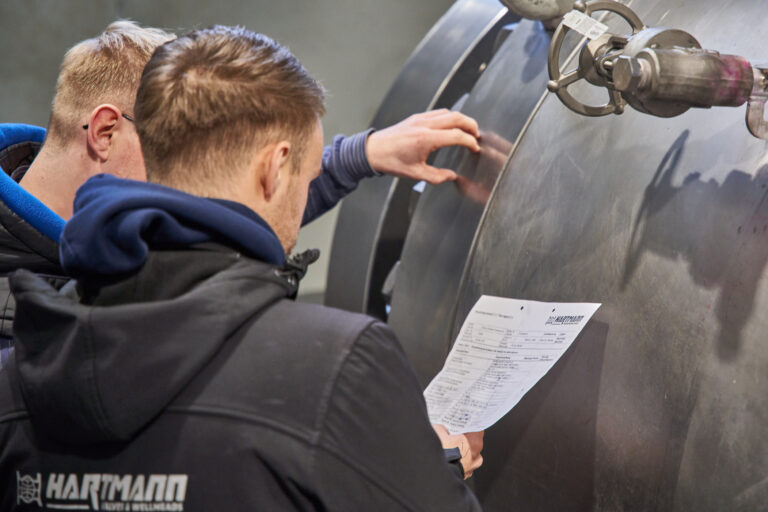
We support you throughout all project phases: from planning and design through manufacturing to installation and regular inspection.

FAQ

In the chemical and petrochemical industry, valves must withstand extreme operating conditions. These include high pressures and temperatures, aggressive media, and frequent switching cycles. At the same time, the highest demands for tightness and operational safety must be met to avoid emissions and reliably control processes. Valves must therefore be specially designed and manufactured from suitable materials to ensure long-term stability and safety.

Metal-seated ball valves offer high resistance to aggressive media and extreme operating conditions. Unlike soft-seated systems, they are less susceptible to wear, temperature changes, or chemical influences. This ensures permanently reliable tightness and makes them particularly suitable for applications involving high pressures, temperatures, or switching frequencies.

Ball valves are used in numerous processes, including refineries, ammonia and methanol production, hydrotreating and hydrocracking processes, as well as in the processing and transport of hydrocarbons. They perform central functions for the safe shut-off and control of media in complex plants.

The selection of materials depends on the medium and operating conditions. Typical materials include high-alloy steels, stainless steels, or special coatings that ensure high corrosion resistance and mechanical stability. The goal is to ensure long-term resistance to aggressive media and temperature loads.

Tightness is a crucial factor for the safety and environmental compatibility of chemical plants. Even the smallest leaks can lead to emissions, production losses, or safety risks. Therefore, valves must meet the highest requirements for fugitive emissions and are often tested according to standards such as ISO 15848 or TA Luft.