


Carbon dioxide
Safe Isolation for CCS & CCU Processes
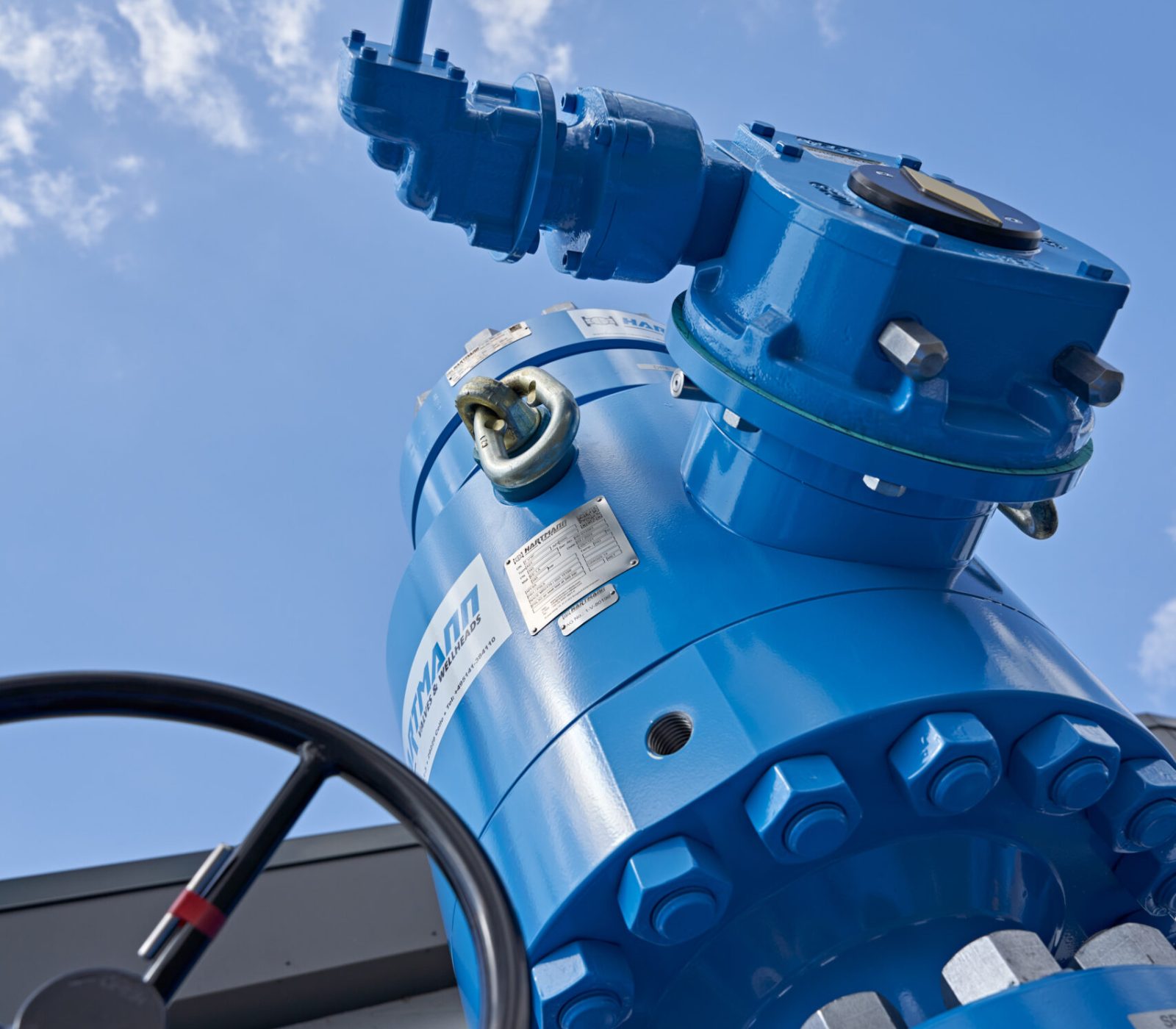
Metal-to-metal sealing ball valves and wellheads from Hartmann Valves enable the safe transport, storage, and processing of CO₂ – even under demanding pressure and temperature conditions.
With the expansion of Carbon Capture and Storage (CCS) and Carbon Capture and Utilization (CCU), new CO₂ infrastructures such as pipeline networks, compressor stations, and storage facilities are being developed across Europe. These place high demands on materials, sealing integrity, and the design of valves. Based on many years of experience in high-pressure and energy technology applications, Hartmann develops specially designed ball valves and wellheads that ensure reliable and efficient process control in CO₂ applications, particularly in the dense phase.
Thanks to their robust design, certified safety, and long service life, our special valves are a reliable solution for your plant.





Custom-engineered design
Reliability for CO₂ Processes
CO₂ differs fundamentally from natural gas or hydrogen. Density, phase behavior, and thermodynamic effects lead to particular stresses, such as significant temperature drops (Joule-Thomson effect), phase changes including ice and dry ice formation, and high energy during depressurization. Metal-to-metal sealing ball valves offer decisive advantages here: they prevent CO₂ diffusion into sealing materials, minimize risks such as explosive decompression, and ensure permanently stable sealing even under dynamic operating conditions.
Temperature
-110°C to 550°C
Pressure
up to 1030 bar
Actuation Frequency
designed for high cycle operations and dynamic load cases
Applications
CO₂ pipelines and transport networks, compressor stations, CO₂ storage (CCS) and wellheads, CO₂ processing and industrial circuits (CCU), large-scale heat pumps with CO₂ (R744), suitable also for the dense phase (liquid and supercritical CO₂)
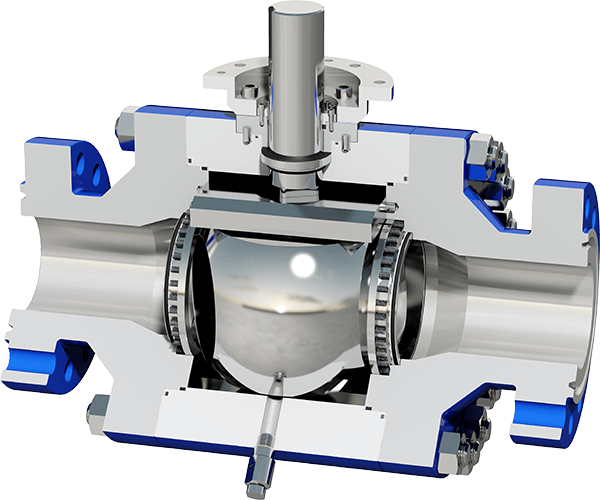
Wellhead & Ball Valve
Design for CO₂
Maximum Sealing Integrity and Operational Safety for CO₂
CO₂ places special demands on sealing technology, as elastomers often represent the limiting factor. Our ball valves are therefore available in the following configurations:
- Elastomer-based design with sealing materials qualified according to NORSOK M-710
- Metal-to-metal sealing design, completely free of elastomers in the pressure chamber
The ball valve is designed for CO₂-typical operating conditions. The rotating ball within its own volume prevents blockages from ice or dry ice and offers higher operational safety compared to gate or butterfly valves, even under dynamic load cases. Optionally, a twin ball valve design is available for enhanced functional safety.
The ball valves are also suitable for use in the dense phase (liquid and supercritical CO₂).
A key safety feature of our CO₂ ball valves is actuation against full design pressure as standard, without a bypass. The valves can be safely actuated even at full differential pressure and enable rapid response in emergency or failure situations, without requiring prior pressure relief or pressure equalization.
Ball valves are available in nominal sizes from ½” – 40″ and pressure ratings depending on nominal size from PN16 to PN750, larger nominal sizes available upon request. Material selection is based on CO₂ worst-case scenarios and customer requirements. API 6A-compliant wellheads are available for CO₂ and CCS applications.
Certified Safety for CO₂ Processes
Our high-performance valves comply with national and international standards, including:
- DVGW C 491
- PED
- AD 2000
- API 6A
- API 6D
- TA Luft
- ISO 15848
- NORSOK M-710 (for elastomers, if used)



Contact Us
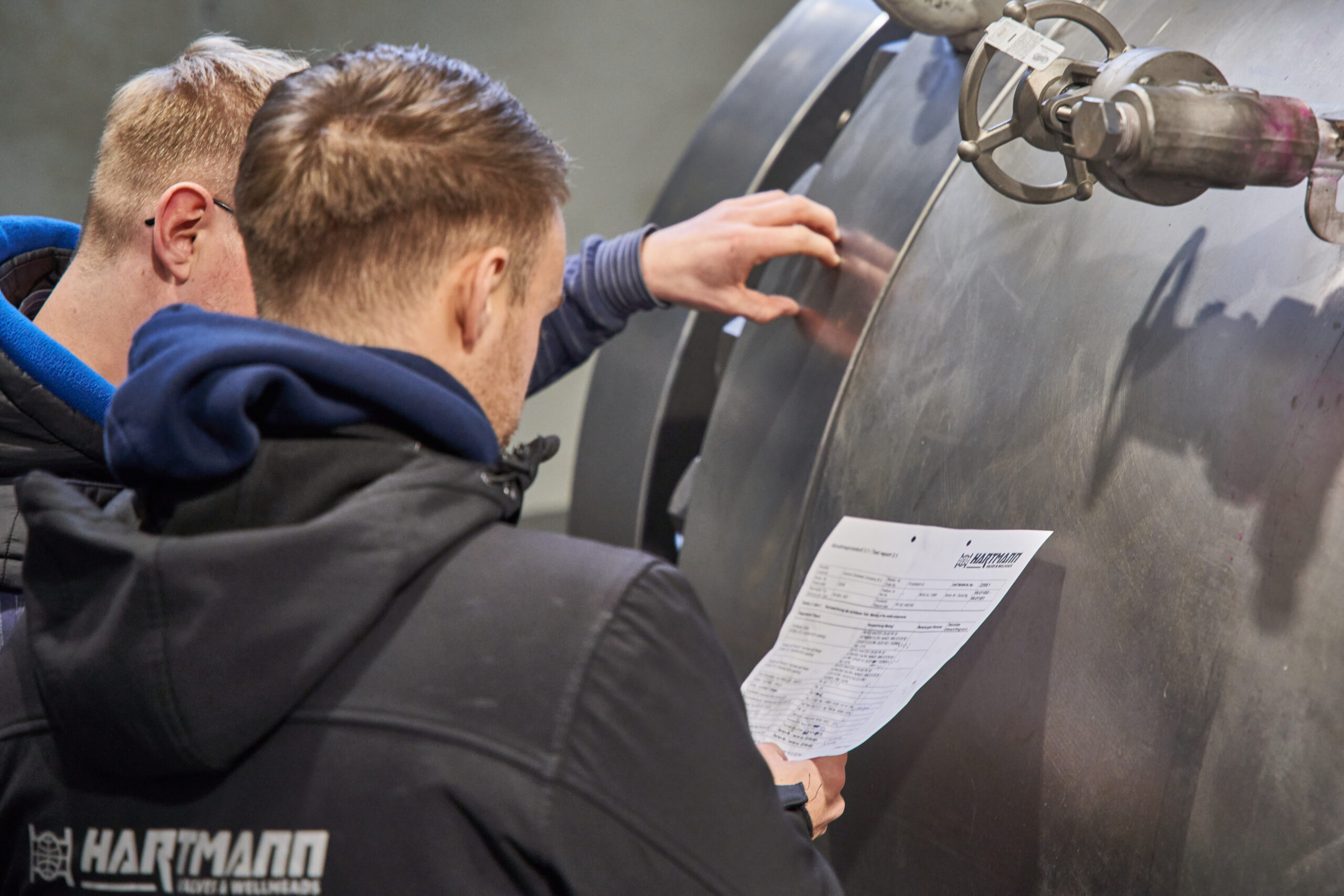
Do you need support with the design of ball valves or wellhead valves for CO₂ applications? Our team also advises on solutions for CCS and CCU projects as well as the design of existing systems – quickly and efficiently.
FAQ
Why does CO₂ require special valves?
CO₂ exhibits complex thermodynamic behavior and differs significantly from natural gas or hydrogen. Temperature drops due to Joule-Thomson effects, phase changes, and the formation of ice or dry ice place high demands on valve design. Additionally, CO₂ can diffuse into elastomer seals and cause damage. Specially designed, fully metal seated ball valves avoid these risks and ensure reliable isolation even under demanding operating conditions.
Why are metal-to-metal sealing ball valves particularly suitable for CO₂?
Metal-to-metal sealing ball valves prevent the diffusion of CO₂ into sealing materials and thereby eliminate typical weaknesses of elastomer-based systems. This avoids risks such as explosive decompression or material aging. At the same time, they enable a stable leak rate A throughout the entire service life and offer high operational safety even under varying pressure and temperature conditions.
What role do wellheads play in CO₂ storage?
Wellheads form the interface between underground CO₂ storage and surface infrastructure. They must withstand high pressures, temperature fluctuations, and the specific properties of CO₂. API 6A-compliant wellheads ensure safe injection and withdrawal of CO₂ and contribute significantly to the integrity of the entire storage system.
What are typical applications for CO₂ ball valves?
CO₂ ball valves are used in pipeline systems, compressor stations, storage facilities, and industrial processes. These include CCS projects for permanent storage of CO₂ as well as CCU applications, where CO₂ is used as a feedstock for products such as methanol, e-fuels, or chemical products.
What are the advantages of switching without bypass?
Hartmann CO₂ ball valves can be switched against full design pressure as standard. This eliminates the need for a bypass, which reduces the risk of icing and additional leak points. At the same time, response speed in emergencies is increased, as no pre-depressurization is required.