




Hartmann Valves GmbH

Oxygen

Oxygen valves for maximum process safety

Under normal conditions, oxygen is colorless and odorless, non-flammable, but it promotes combustion. Even slight increases in oxygen concentration significantly increase combustion rates, which can lead to the ignition of materials—in valves in particular during opening and closing operations due to high flow velocities.

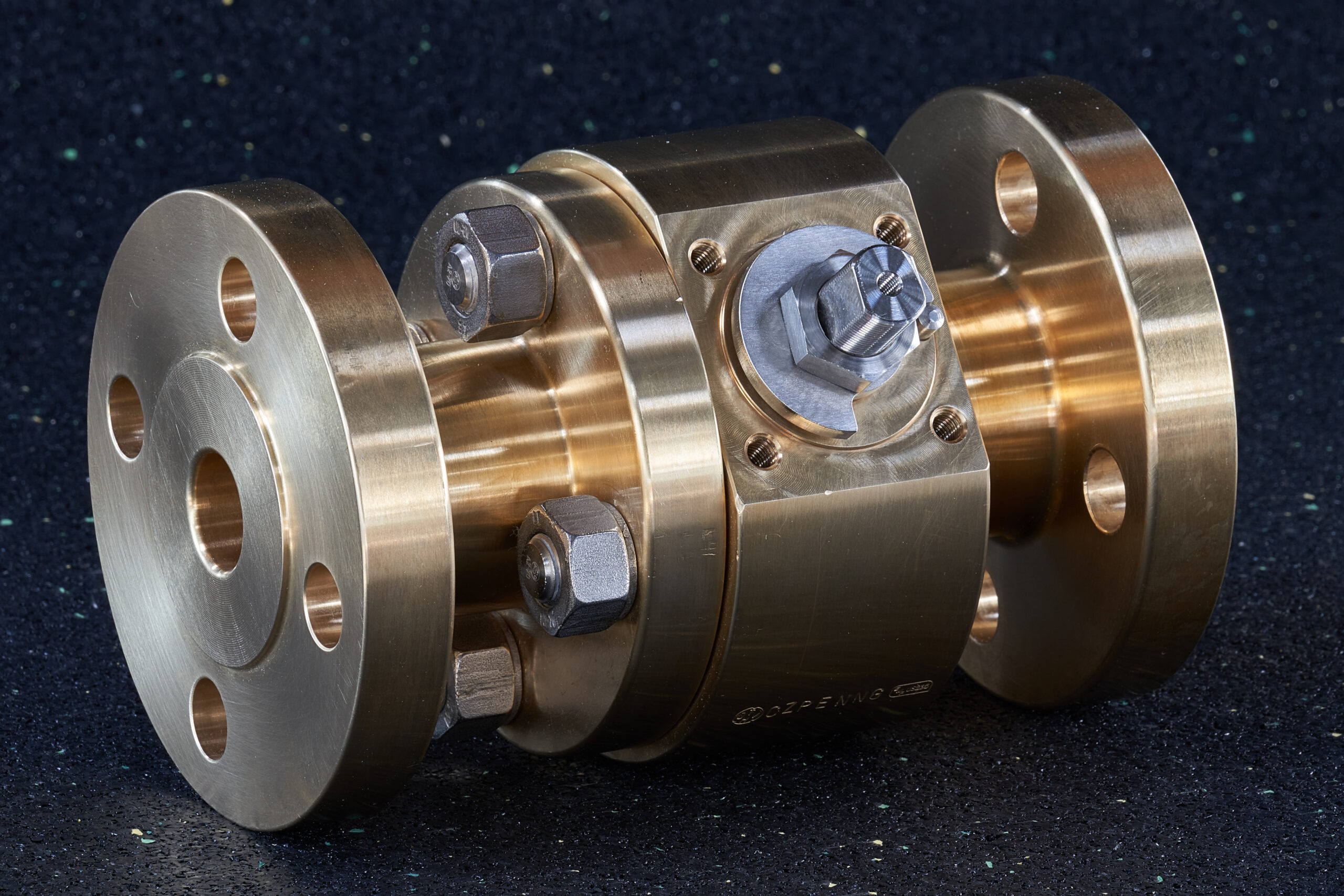
Hartmann Valves develops and manufactures high-quality ball valves specifically for use in oxygen systems. Through the correct material selection in accordance with DGUV 213-073 and EIGA guidelines, the use of BAM-tested sealing materials, as well as oil- and grease-free manufacturing and assembly, our oxygen valves contribute to the safe operation of oxygen systems, even at high temperatures and pressures.

Reliable shut-off

Ball valves for oxygen applications

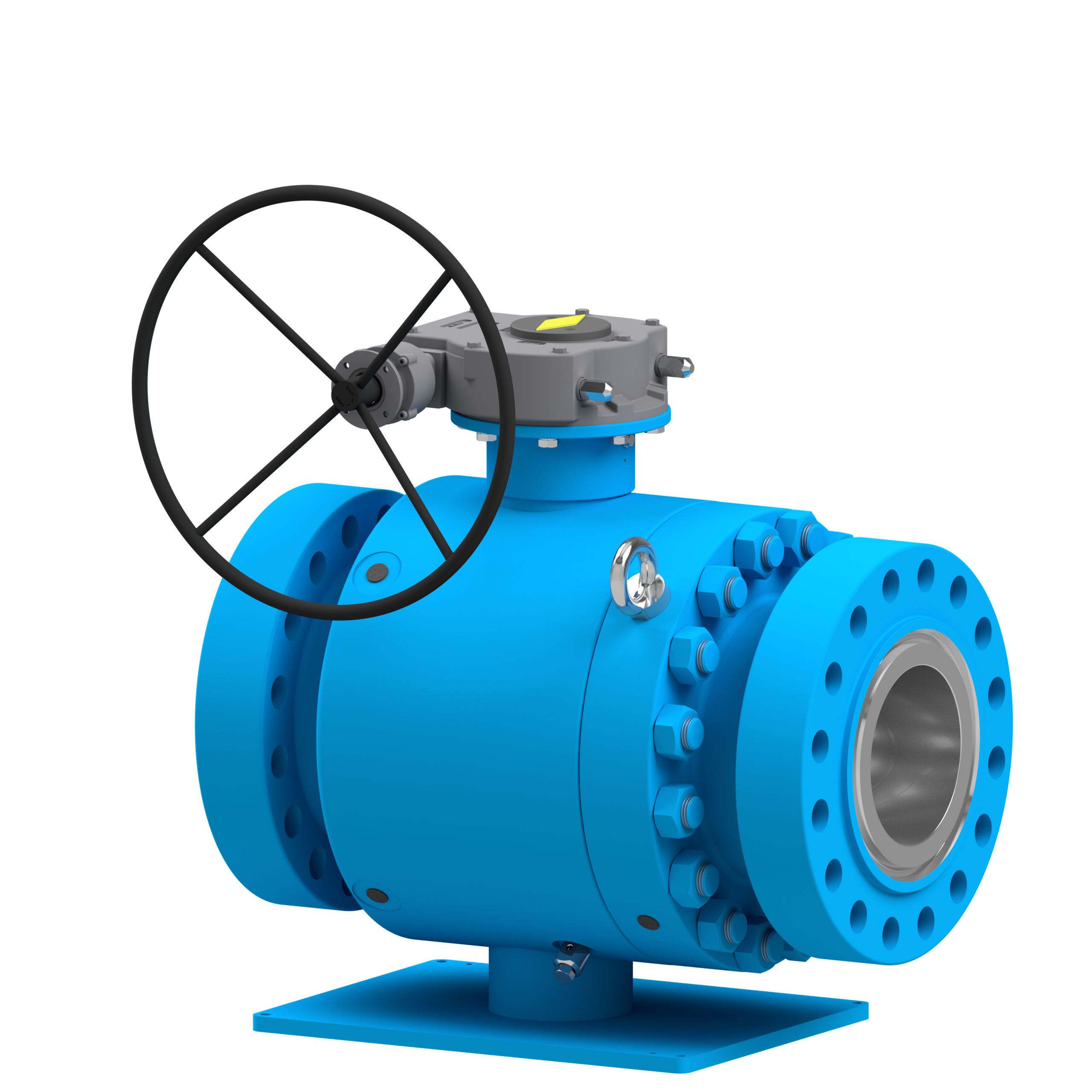
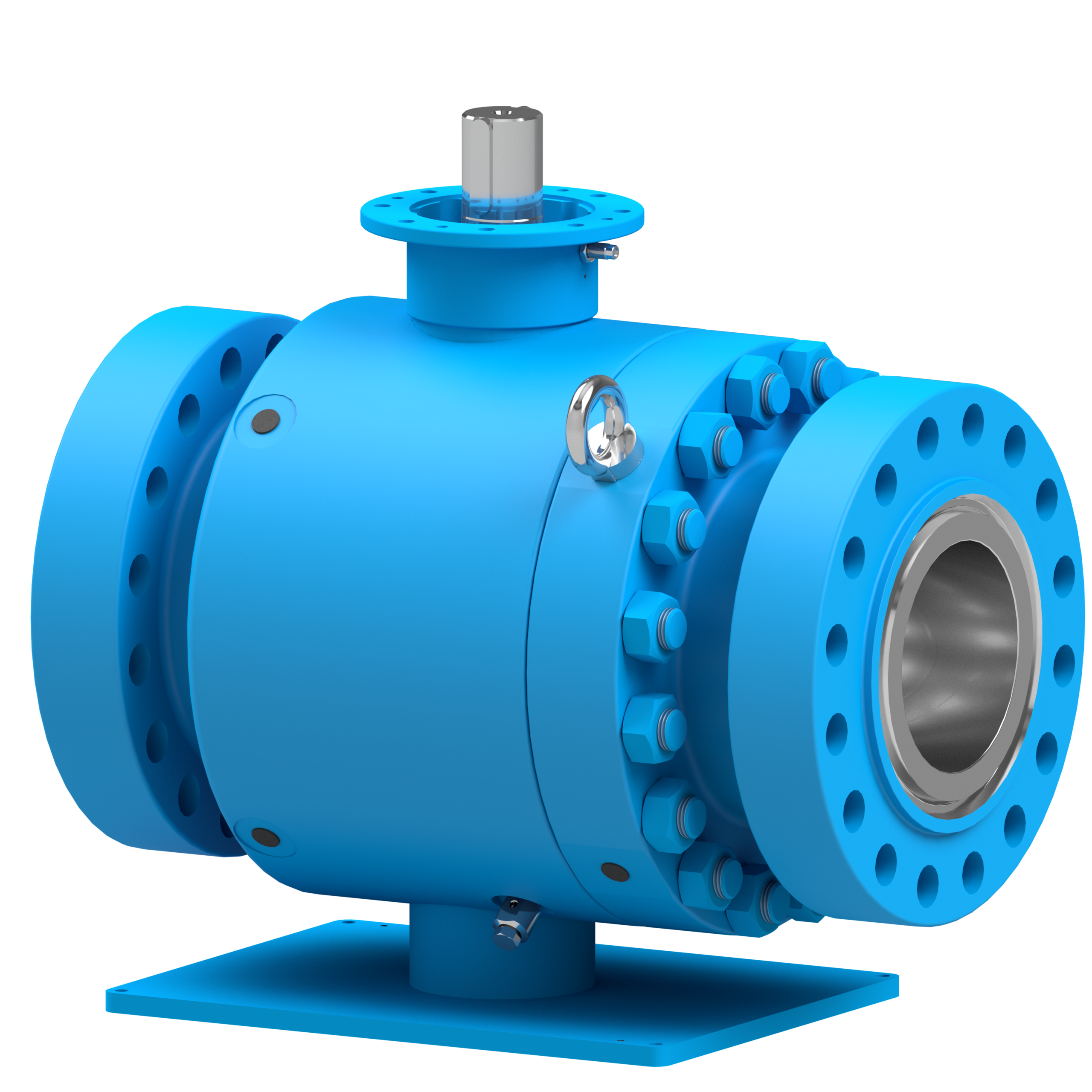
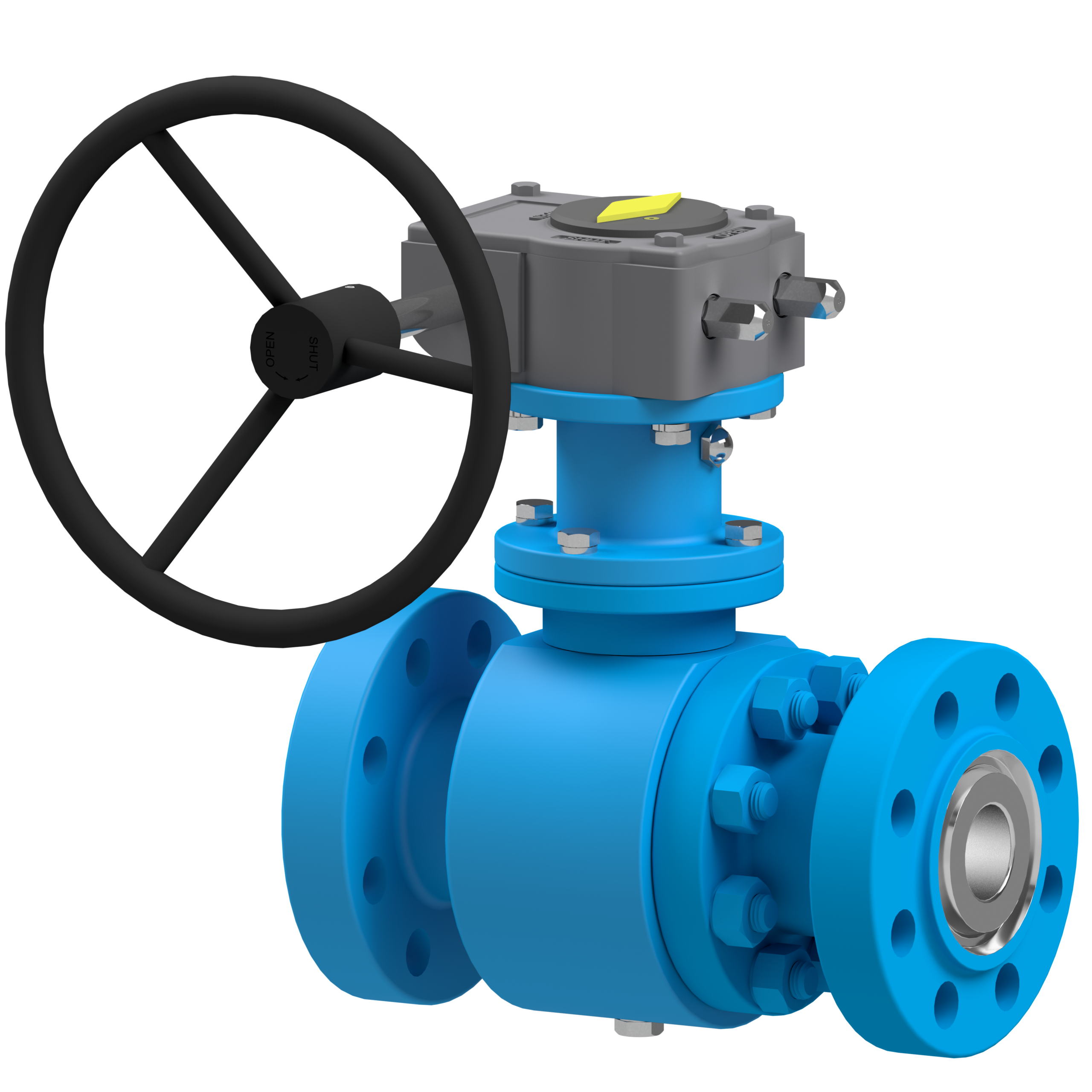
We develop and manufacture two-way and multi-way ball valves for oxygen systems. By selecting the right design and complying with key regulations in the manufacture of our oxygen valves, we contribute to safe operation when shutting off oxygen systems—even at high temperatures and pressures. Our oxygen ball valves are used when standard valves reach their limits.

For safe operation

The three most important points in the manufacture of oxygen valves

To prevent ignition within the system, three key points must be observed when manufacturing oxygen valves.

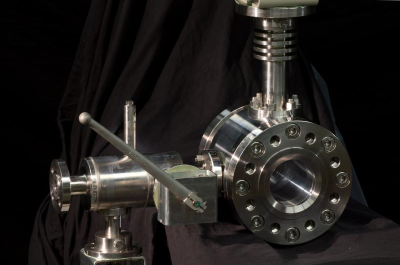
Inconel ball valve 400 degrees

1. Use of metallic materials

The parts in contact with the medium are made of oxygen-suitable metals in accordance with DGUV 213-073 and the EIGA IGC standard. At high pressures, this prohibits the use of carbon steels and stainless steels and permits only specific “exempt materials”. Therefore, in these pressure ratings we manufacture ball valves wholly or partly from materials such as brass, Monel, or Inconel, adapted to the application and requirements.
Oxygen

2. Selection of suitable sealing materials

The sealing materials must be selected carefully when manufacturing oxygen valves. All sealing materials used at Hartmann have been tested by test institutes such as BAM (Federal Institute for Materials Research and Testing) for burnout resistance in oxygen service for the respective pressure and temperature ranges.
Oxygen

3. Ensuring oil- and grease-free condition

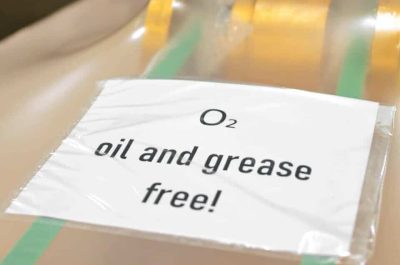
Even the smallest traces of grease can be ignitable in oxygen. Therefore, strict rules apply in manufacturing: thorough cleaning, assembly and testing in a separate oxygen area, use of special oxygen-approved lubricants in minimal quantities, and a leak test with gas. The ball valves are then packaged in film and labeled as oil- and grease-free.


Customer-specific design

Reliability for oxygen processes

Hartmann ball valves feature an metal-to-metal sealing between the ball and seat rings and achieve high gas tightness. Special designs and materials enable use even at high oxygen pressures. Additional safety options such as Double Isolation and Bleed (DIB) or Double Block and Bleed (DBB) further increase operational safety in oxygen systems.

Temperature

-200°C to 550°C

Pressure

up to 420 bar

Applications

e.g., electrolysis, rectification (Linde process), pipeline distribution, steel production

Reference

Innovative retrofit

Special ball valves for extreme conditions ensure energy-efficient production and greater cost-effectiveness in an ammonia plant.

"With this project, we could not take any risks. With the wrong manufacturer, we would have jeopardized the entire retrofit technically and in terms of schedule."
Jürgen Rommel
YARA BRUNSBÜTTEL GMBH

Certified safety for oxygen processes

Our high-performance valves meet national and international standards, including:

  • DGUV 213-073
  • EIGA IGC standard (material selection for oxygen)
  • BAM-tested sealing materials (pressure/temperature ranges)
  • DIN EN ISO 15848/TA Luft
  • DIN EN 12266
  • PED
  • API 6D
  • ATEX

Contact us

We support you throughout all project phases: from planning and design through manufacturing to installation and regular inspection.

FAQ

Oxygen is colorless and odorless, non-flammable, but it promotes combustion. Even small enrichments significantly increase the combustion rate and can ignite materials. In valves, high flow velocities occur especially during opening and closing operations. In combination with contamination or unsuitable materials/lubricants, this can lead to ignition or burn-out. Therefore, oxygen-suitable materials, tested sealing, and oil- and grease-free manufacturing are key safety factors in the design and manufacture of oxygen ball valves.

Hartmann Valves follows DGUV 213-073 and the EIGA IGC oxygen standard. According to these, standard stainless steels may be used only up to 26 bar depending on wall thickness. At higher pressures, so-called “exempt materials” are selected depending on pressure, such as brass, Monel, or Inconel. The aim is to prevent ignition even at high flow velocities and in the presence of minute particles. For sealing parts, only materials that have been tested with oxygen and recommended by BAM for the respective pressure and temperature ranges are used.

Before assembly, all individual parts are (ultrasonically) cleaned. Assembly and testing of the oxygen valves are carried out in a separate oxygen room to prevent contamination. Only minimal quantities of oxygen-suitable lubricants are used, and testing is performed exclusively with gas. If compressed air is used, a blotter test is carried out beforehand to rule out contamination of the test medium. After successful testing, the valves are shrink-wrapped in film and labeled “oil- and grease-free”.

Hartmann Valves’ oxygen ball valves are designed for demanding requirements. Depending on the design and material selection, higher pressure ranges up to 420 bar are possible. In the high-temperature range, temperatures up to 550°C can be achieved. The basis is the selection of oxygen-suitable materials in accordance with DGUV…, EIGA, as well as BAM-tested sealing materials for the respective pressure and temperature ranges.

To protect against ignition and burn-out, Hartmann relies on oxygen-suitable metallic materials, tested sealing, and oil- and grease-free manufacturing. On the product side, valves can be equipped with multiple barriers in the direction of flow. With Twin Ball Valves (two-ball design), up to four barriers can be implemented. In addition, functions such as DBB and DIB are available. These measures increase safety in oxygen systems, especially at high pressures, temperatures, and switching frequencies.

For oxygen applications, Hartmann offers two-way and multi-way ball valves in various designs: floating ball, trunnion-mounted ball, top-entry, side-entry, as well as fully welded versions. The valves are designed to suit the application, require minimal maintenance, and are engineered for long service life. For automation, manual, pneumatic, electric, hydraulic, and electrohydraulic actuators are available, optionally with fail-safe functions.