


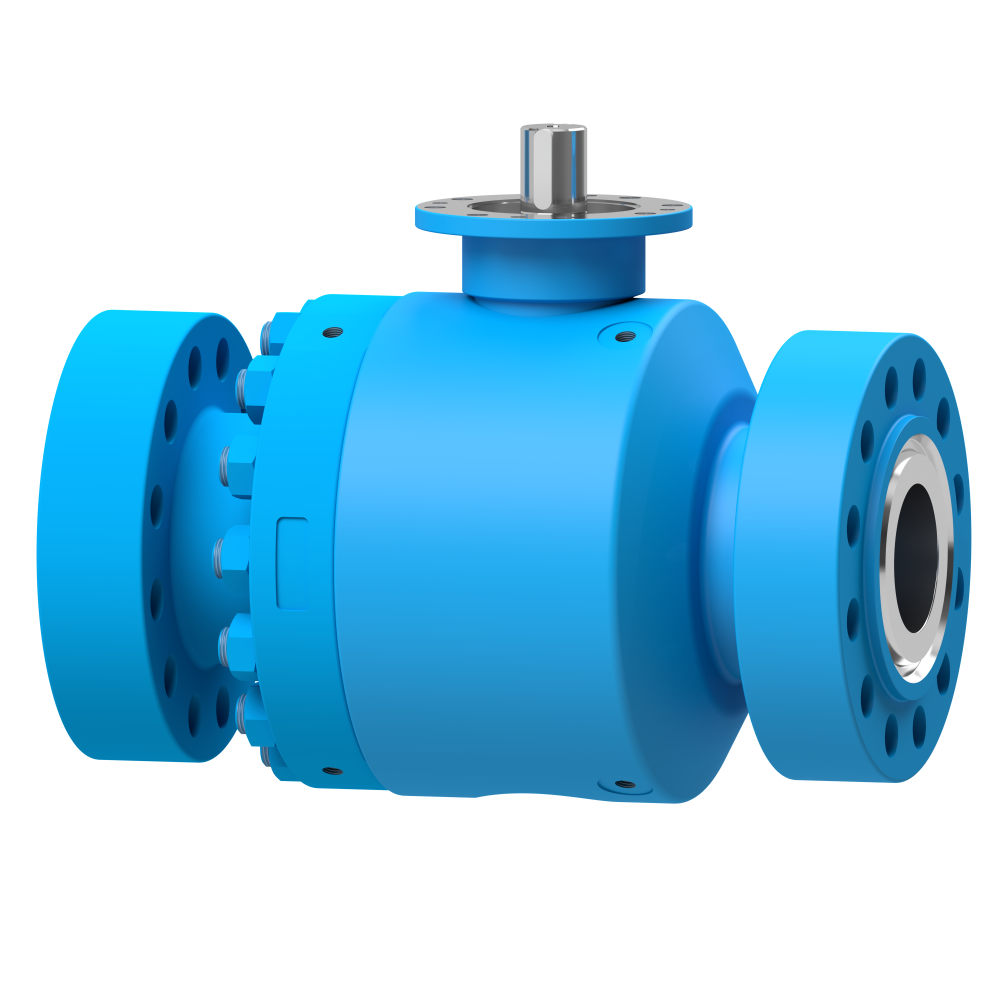
Energy storage systems are a central component for supply security and the energy transition – from hydrogen and power-to-gas plants to underground storage facilities such as caverns, aquifers, and depleted reservoirs.
Operators need solutions that reliably shut off, remain tight, manage dynamic operating modes, and can be operated in a maintenance-friendly and auditable manner.
Hartmann Valves supports storage operators with gas-tight, metal-to-metal sealing ball valves and customized wellheads – designed for demanding media, high pressure ratings, and long-term availability.
Today, storage facilities are operated with more frequent cycles: injection, withdrawal, rapid changes – while simultaneously meeting high demands for safety, environment, and documentation. Crucial are components that function reliably in daily operation and support clear, robust safety functions in the event of an incident.
Hydrogen storage and power-to-gas plants place special demands on sealing, materials, and operating behavior. In practice, the key factors are: stable sealing over many cycles, reliable shut-off, and a specification with clear testing and acceptance criteria.
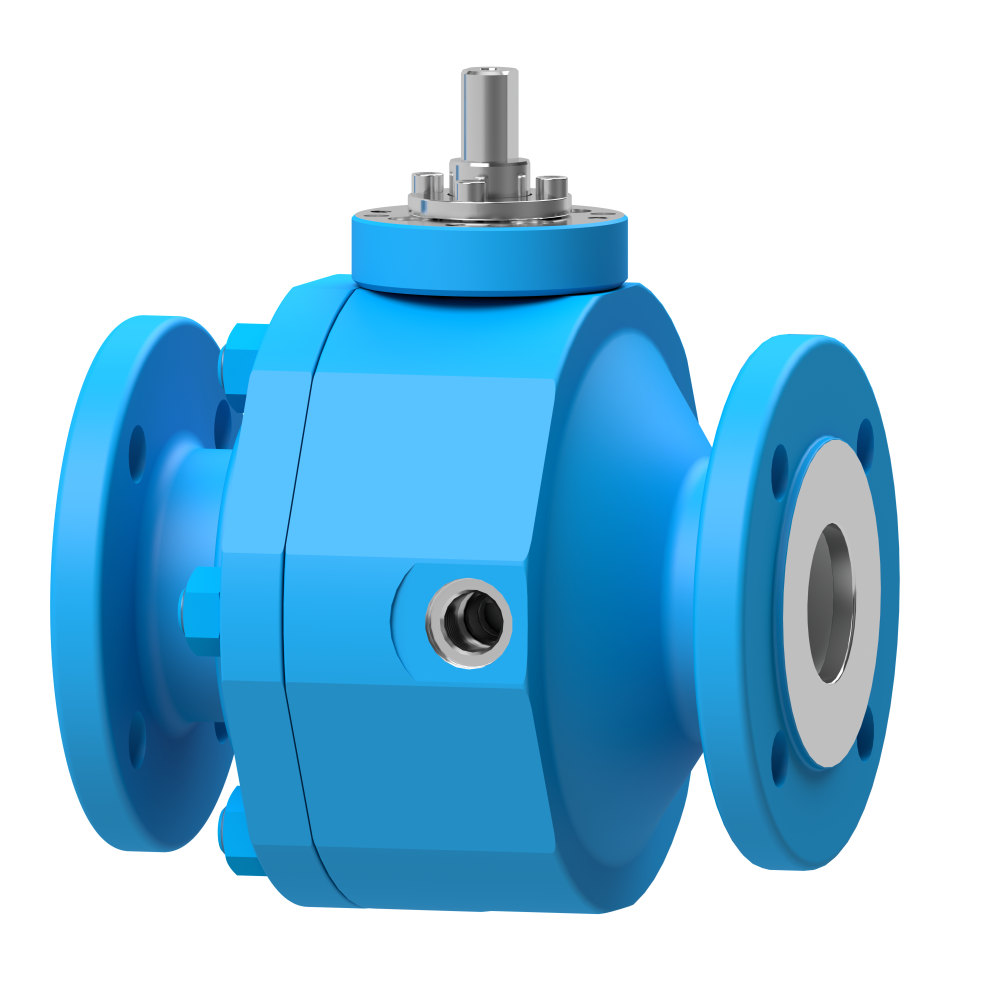
For these applications, Hartmann Valves develops gas-tight hydrogen ball valves and wellheads for the safe storage of large amounts of energy. Absolutely gas-tight ball valves with a fully metal seated system are already successfully in use in several power-to-gas plants.
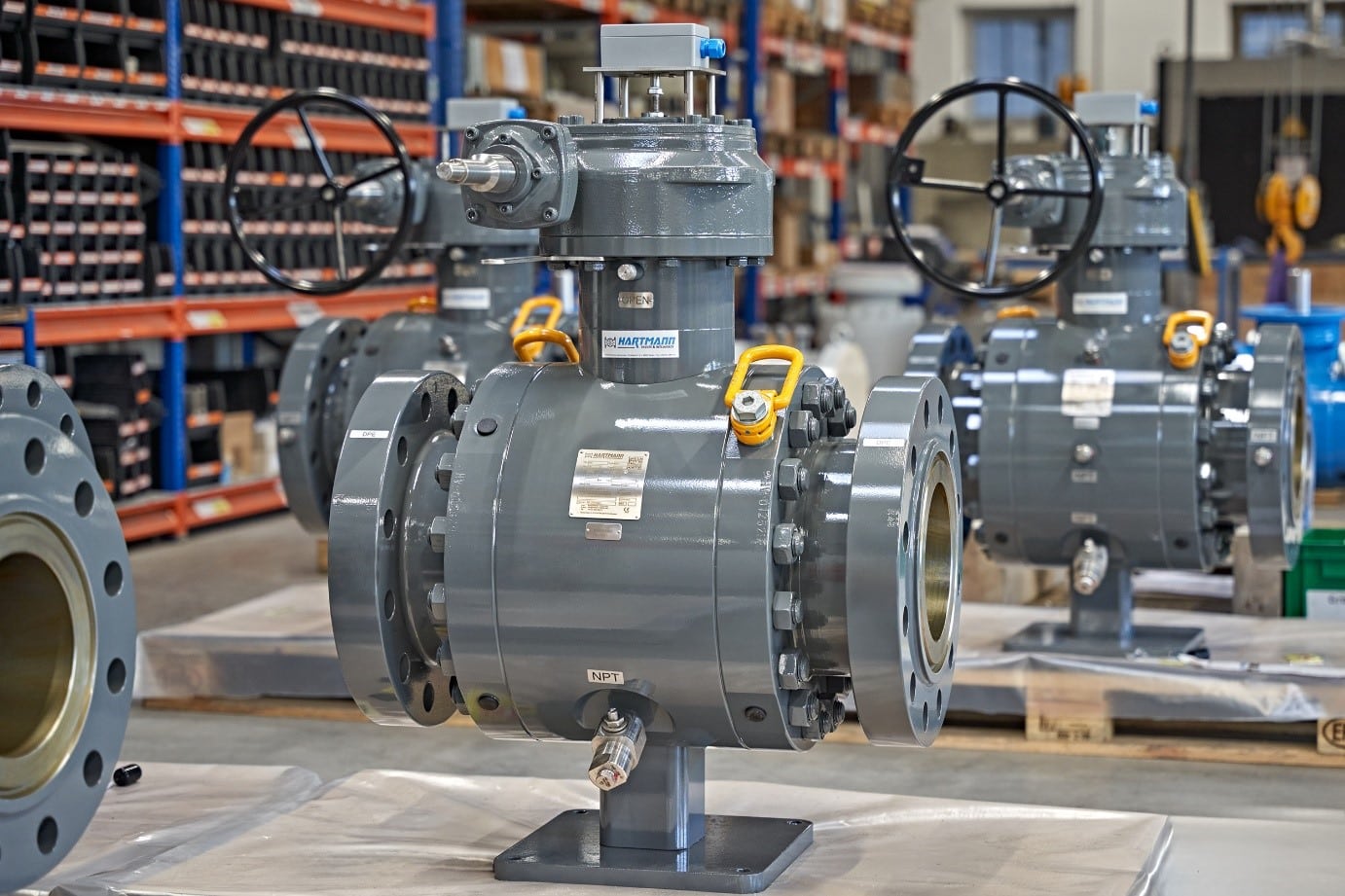
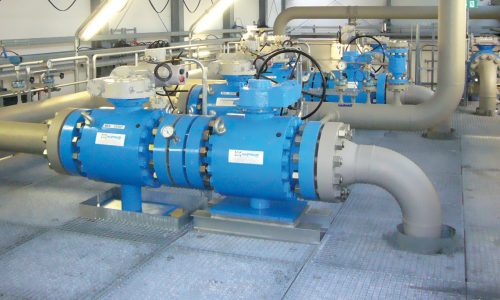
Metal-to-metal sealing ball valves are designed for applications where soft-seated systems reach their limits. They are used wherever demanding media, extreme pressures and temperatures, or high cycle operations require a permanently reliable shut-off. The gas-tight sealing system meets leak rate A and ensures a permanently reliable shut-off.
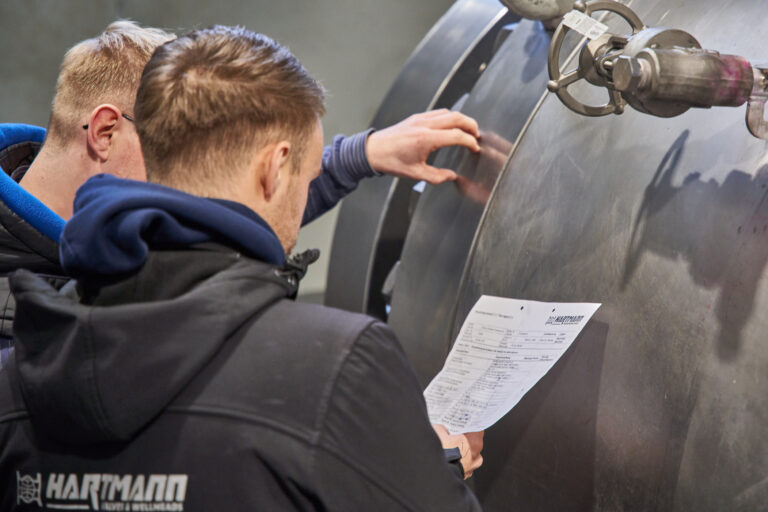
The tightness of our valves is verified through technical testing in accordance with the relevant regulations and the applicable product standard. Our internal manufacturer standard exceeds the requirements of common testing standards such as API 598 and DIN EN 12266. In this way, we create a resilient basis for very high shut-off tightness in demanding applications. The internal definition of leak rate A is based on ISO 5208.
The metal-to-metal sealing between the ball and seat rings ensures high wear resistance, minimized maintenance requirements and a long service life.
As early as the 1970s, underground storage capacities in Germany – including those for the national oil reserve – were significantly expanded. In crude oil storage, the medium alternates between oil and saturated brine. Due to its high salt content, brine is highly corrosive, placing high demands on the materials and surface treatments of the wellheads.
Similar to crude oil storage, natural gas is also stored in underground reservoirs. These can be previously depleted reservoirs, aquifers, or artificially created cavities (caverns). Cavern storage, in particular, has large access cross-sections and absolutely relies on gas-tight components.
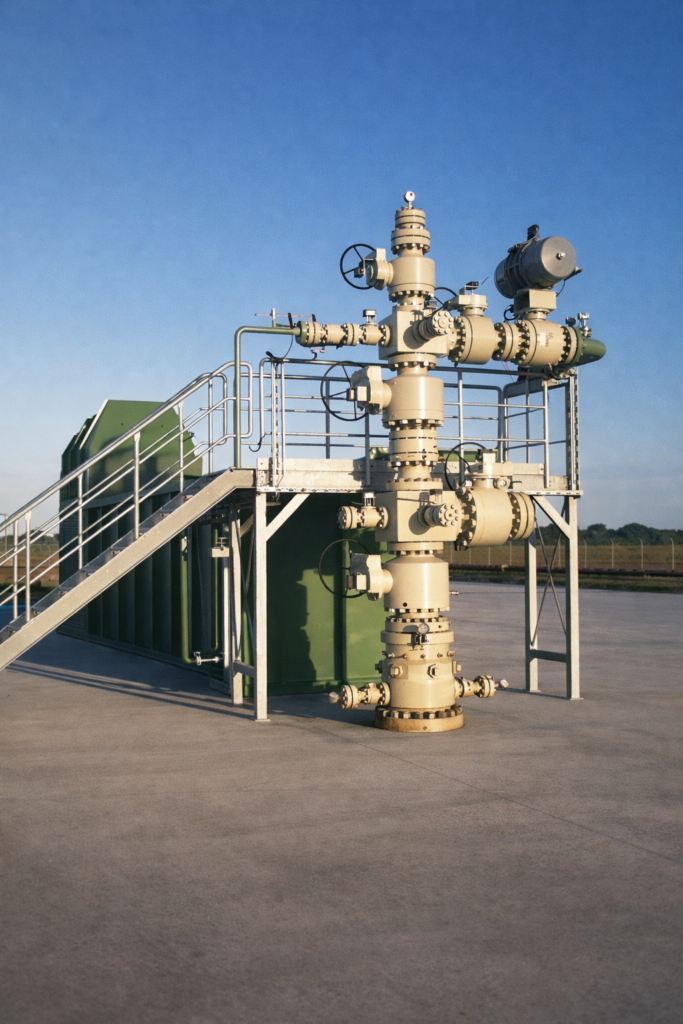
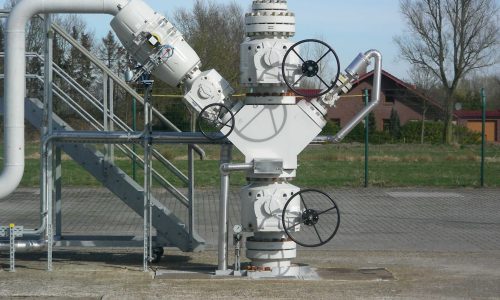
Hartmann wellheads are used in international projects beyond Germany, including in England, Denmark, the Netherlands, Portugal, Turkey, and China. Hartmann ball valves are integrated as reliable shut-off valves in wellheads or are used as high-performance valves in brine systems, compressor stations, and gas processing plants.
Wellheads in underground storage facilities must function reliably and safely even with large nominal diameters and frequent actuation cycles. While gate valves can be prone to wear or malfunctions under these conditions, metal-to-metal sealing ball valves offer a reliable and gas-tight alternative for maximum plant availability.
Gate valves are widely used in wellhead systems. However, in underground storage facilities for natural gas or hydrogen, their design principle reaches fundamental limits. Large pipe cross-sections, frequent injection and withdrawal cycles, and fluctuating pressure conditions place considerable stress on the valve and directly affect its function, tightness, and operability.
Especially under these conditions, it becomes clear that gate valves are suitable only to a limited extent for high actuation frequencies, large nominal diameters, and fluctuating operating conditions. As a result, the reliability of the shut-off can decrease – a critical factor for the operational safety and availability of energy storage systems.
In storage operations, impurities, corrosion products, or particles can accumulate inside the valve, particularly in seat pockets, cavities, and sealing areas. These deposits directly impair the linear sliding movement of the gate. Large nominal diameters and frequent pressure and load changes further increase mechanical stress.
Over time, the gate can become stiff, block, or no longer open and close completely. At the same time, the required actuation forces increase. Recurring injection and withdrawal cycles can also accelerate wear on guides and sealing surfaces. This threatens leakages, a loss of sealing integrity, and impaired or no longer reliably guaranteed shut-in capability.
Hartmann Valves’ ball valves are based on a fundamentally different design approach. Instead of a linearly moving gate, a rotating shut-off element in the form of a ball is used, which rotates within its own volume.
This eliminates many geometries and dead spaces where impurities, corrosion products, or particles could accumulate and impair the valve’s function. The movement is not sliding along critical guide and sealing surfaces, but rotating, and thus structurally much less sensitive to deposits and frequent load changes. This supports reliable switching function even with large nominal diameters and fluctuating pressure conditions in storage operations.
Due to their design principle, ball valves remain reliably operational even with frequent injection and withdrawal cycles and fluctuating pressure conditions. The rotating ball is structurally less sensitive to particles, impurities, and deposits than a linearly moving gate. The fully metal seated system also ensures gas-tight shut-off for large nominal diameters and in low and high pressure ranges.
The design allows switching under full differential pressure. High-performance drive systems ensure the required torques and can overcome increased resistances in a controlled manner. This maintains the valve’s functional and shut-in capability even under demanding conditions in storage operations.
For operators, the use of ball valves means: higher operational safety, reliable frequent actuations, and long-term stable functionality of the valve in storage operations. Hartmann Valves’ ball valves remain operational where conventional gate valves fail or operate only with limitations – even with large nominal diameters, frequent injection and withdrawal cycles, and fluctuating pressure conditions.
This reduces the risk of unplanned failures, improves safety during shut-in phases, and supports high plant availability. At the same time, maintenance effort is reduced, as re-greasing of the sealing system and regular replacement of stem packings can be avoided.
Many existing storage facilities undergo general overhaul after many years of operation. The well completion is replaced, and the wellhead is brought up to the latest state of the art. In this context, several measures are possible: strain gauges for pipe monitoring, the consolidation of individual components into blocks or block design to reduce interfaces, ball valves with an additional DIB-2 barrier, and remaining flange connections with a second barrier and partial metal sealing.
For operators, two retrofit approaches are particularly relevant: Firstly, classic gate valves can be directly replaced by API 6A ball valves due to their identical installation length. Secondly, as part of larger modernizations, complete wellhead or E-cross concepts can be converted to block or solidblock designs with integrated ball valves.
For the new construction of EWE’s storage facility in Jemgum, Lower Saxony, Hartmann supplied brine and gas production wellheads, special ball valves, as well as assembly and maintenance services for the natural gas storage.
Reliable shut-off in the Wolfersberg natural gas storage – with a special Twin Ball Valve design even in confined spaces
Our high-performance valves and wellhead solutions meet key requirements for safe use in energy storage, including:

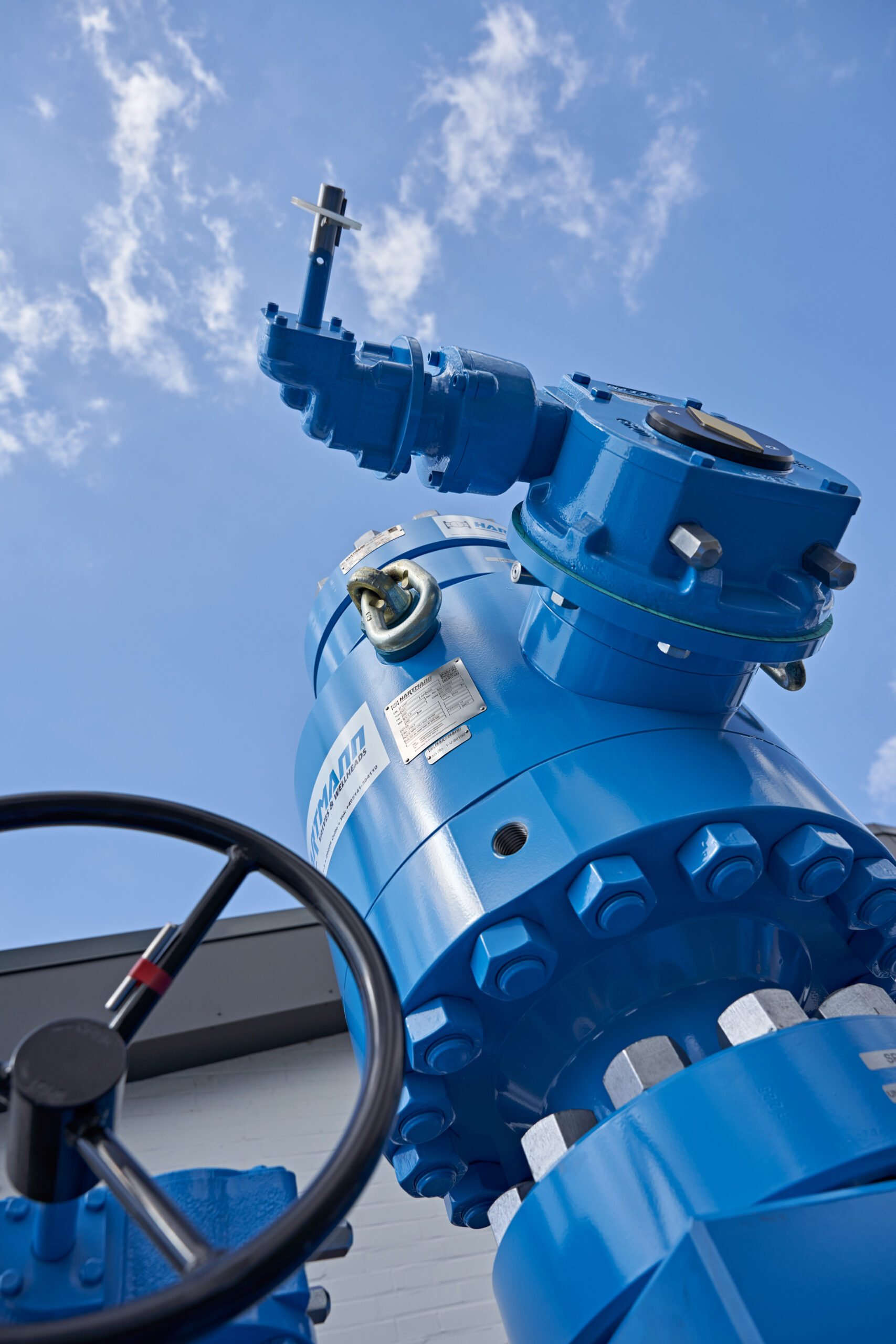
API 6A ball valves combine robust construction with reliable sealing for safe use in high-pressure applications. Developed for long-lasting performance.
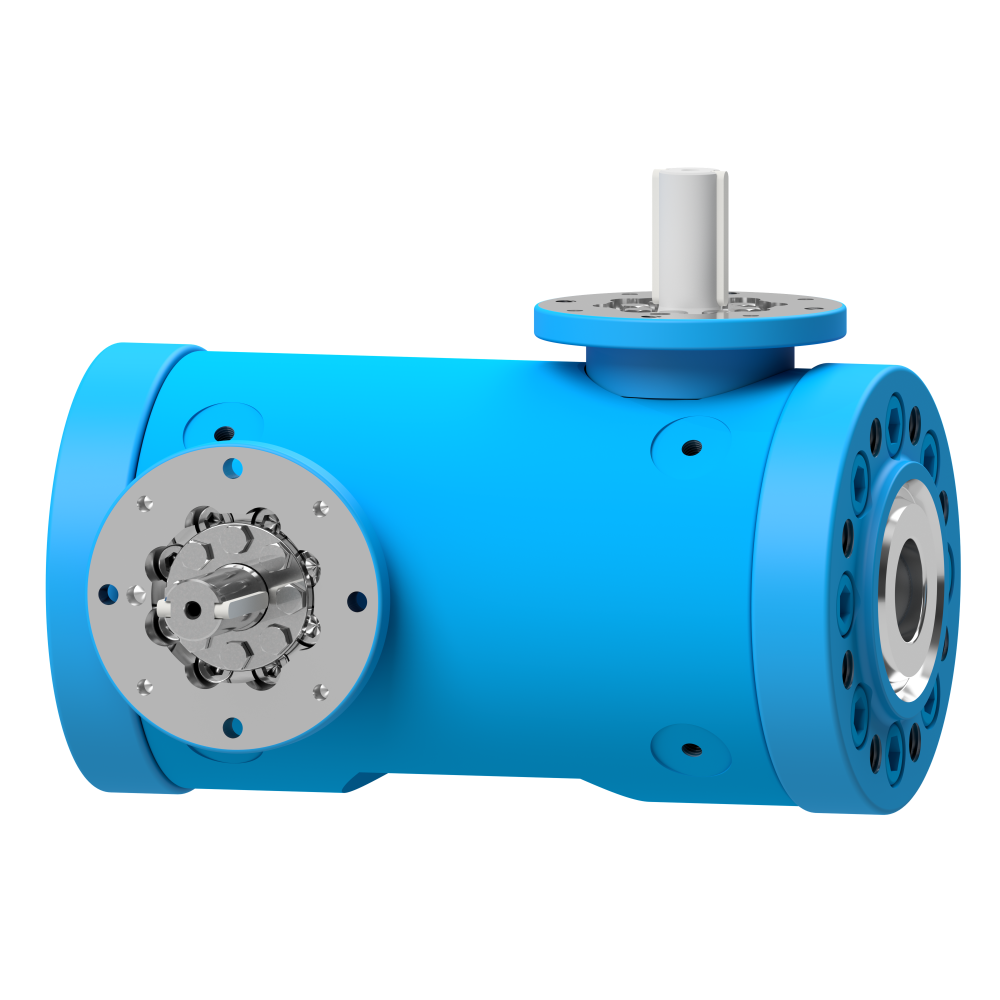
Twin Ball Valves combine two independent shut-off systems (two balls) in one housing and are 0-bubble leak rate and testable between the closures. Compact, safe, space- and cost-saving.
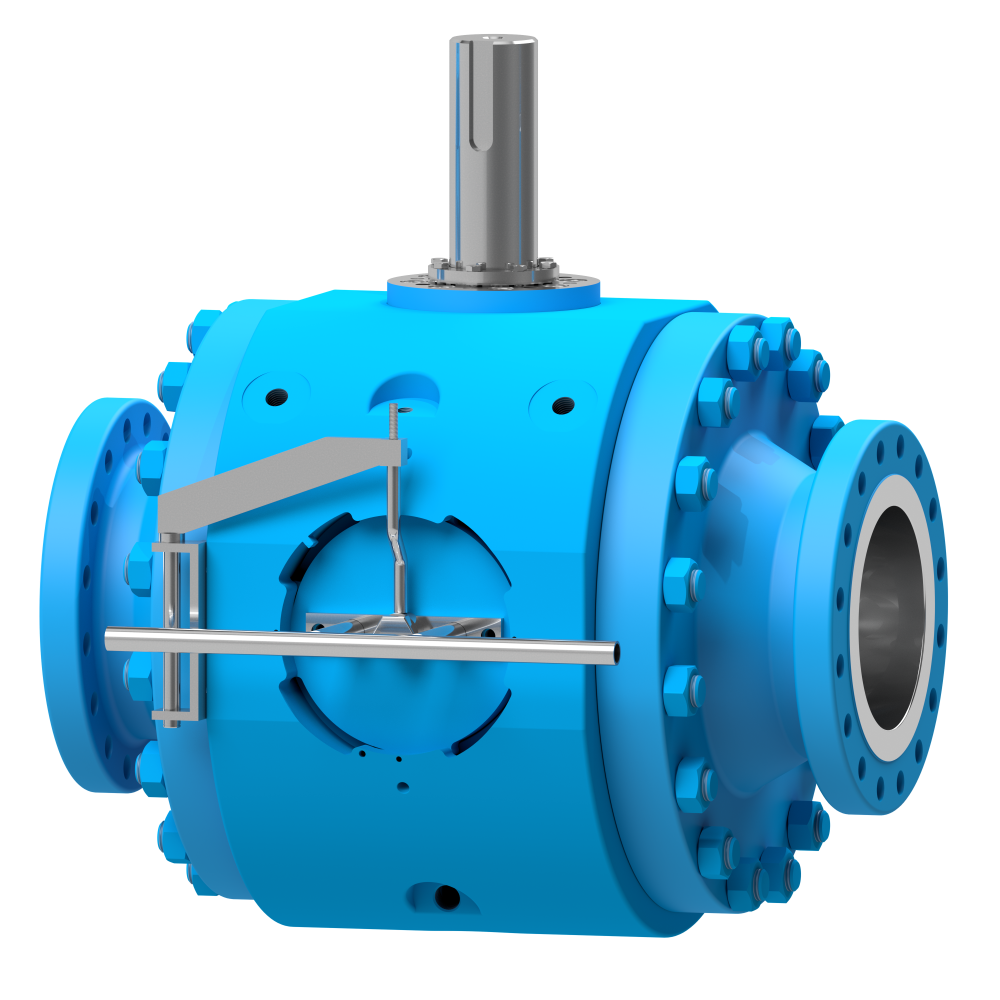
Pig ball valves combine shut-off and pigging functions in one fitting, enabling safe launching and retrieval. As a space- and cost-saving replacement for pig trap systems.
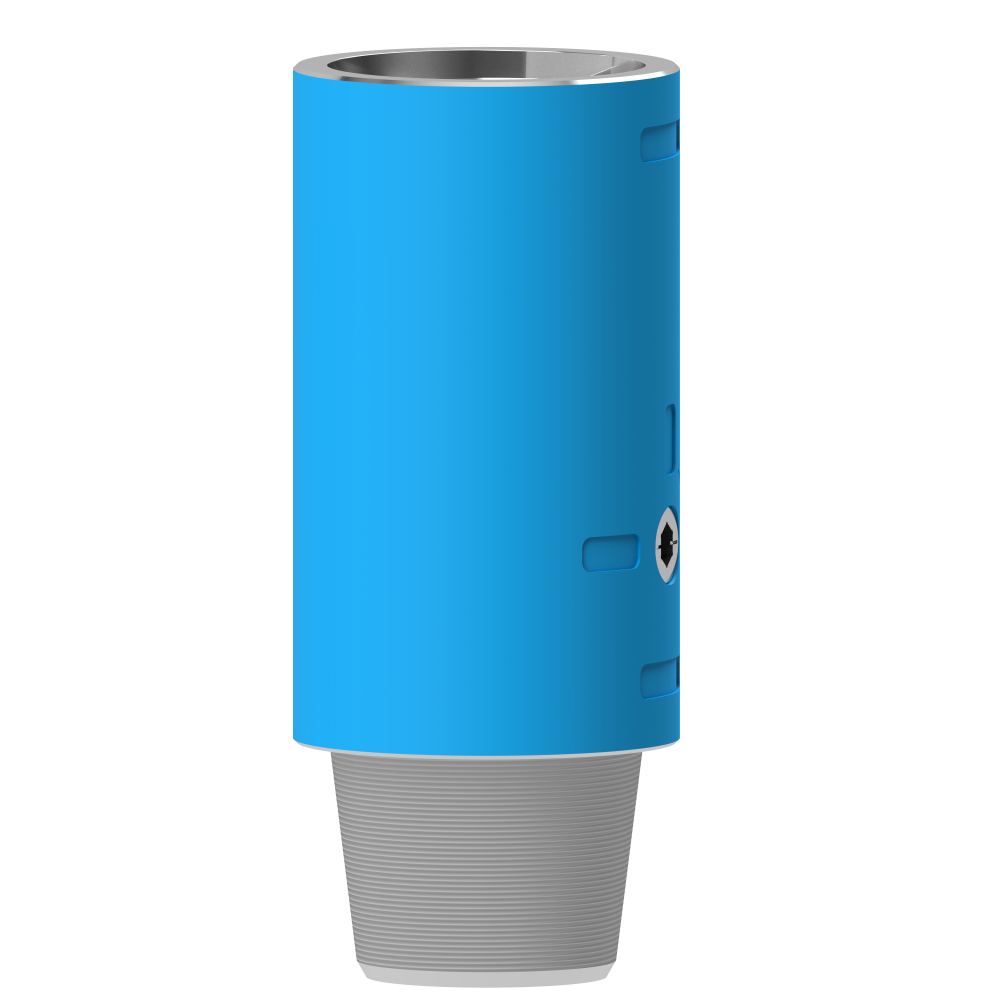
Kelly valves act as safety valves in the drill string and enable the rapid interruption of the media flow. Manufactured for use in drilling applications and according to API Spec 7-1.
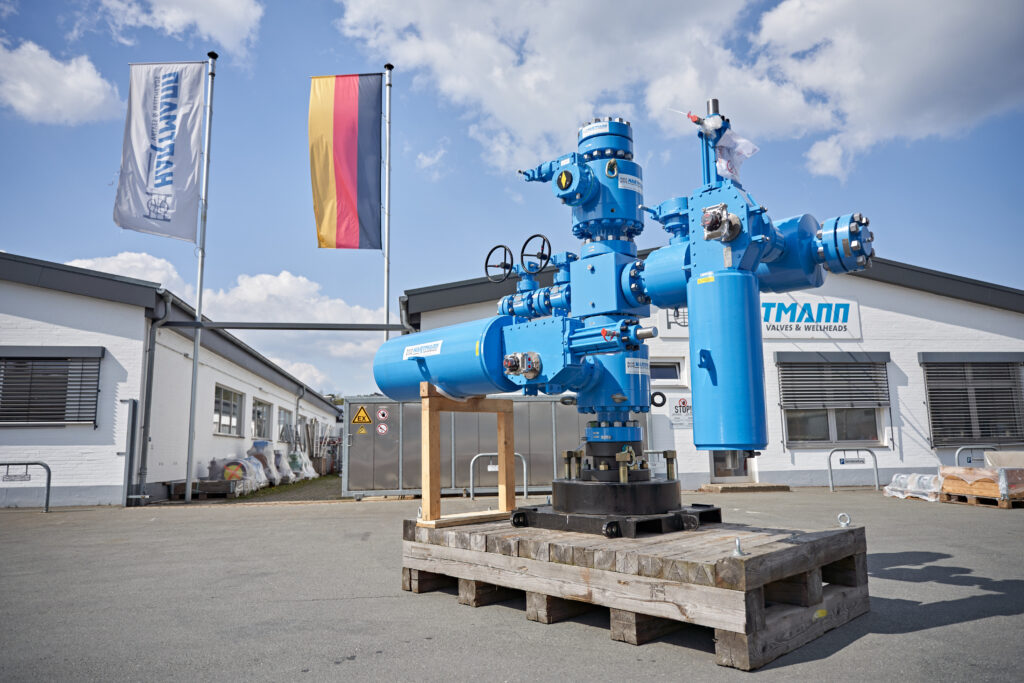
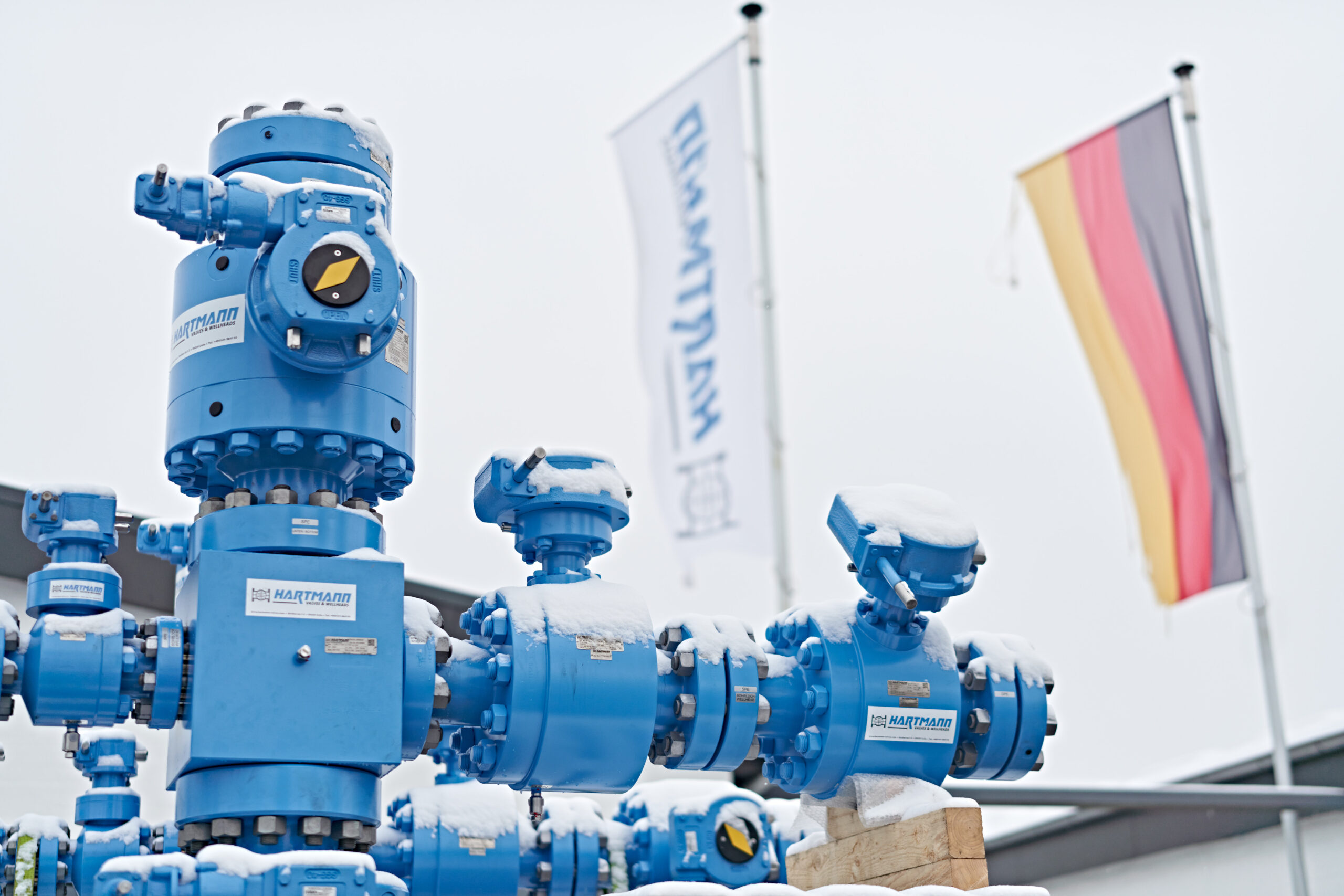
Wellheads in conventional design are custom-manufactured. The modular design thus enables a precise configuration for the respective application.

Wellheads in solidblock design are custom-manufactured. The integrated design reduces interfaces, simplifies the setup, and increases operational safety.

We support you in all project phases: from planning and design to manufacturing, installation, and regular inspection.
The wellhead forms the secure interface between the underground storage and the surface facility. It ensures pressure maintenance, sealing, and operational safety for large nominal diameters and high pressures.
Ball valves close reliably even with deposits, require less maintenance, and do not need grease filling. They are gas-tight and meet the highest requirements for leak rate and service life.
In the solidblock design, several valves are combined into one component. This reduces flange connections, installation height, and assembly time – while simultaneously increasing safety by eliminating potential leakage points.
Yes. The API 6A-compliant wellheads with DIB double sealing and metallic seals are ideal for future hydrogen caverns. Initial hydrogen projects have already been realized with Hartmann equipment.
Our systems are designed for pressures up to 690 bar (10,000 psi) and temperature classes P/U. Material selection and coating are adapted to the medium and project requirements.