


Energy production begins in the reservoir – under geological, thermal, and pressure conditions that place the highest demands on the plant technology used. Valve solutions for oil and gas production, production-related processing, and safety-critical applications in the wellbore environment must function reliably over long operating periods, even under high pressure, varying temperatures, and in demanding media.
Valves perform central tasks in this context: they control flow rates, safeguard pressure limits, isolate plant components, and contribute significantly to operational safety. Crucial factors include permanently reliable sealing, robust construction, and a design that reduces maintenance effort and unplanned downtime.
Hartmann develops and manufactures valve solutions for these requirements – with a focus on high-pressure applications, safety-critical systems, and long-term operational safety in energy production.
Energy production encompasses all processes from the development of a reservoir to the transfer of the extracted medium to downstream systems.
Requirements for materials and maintenance differ significantly depending on the process step. Accordingly, valves must be consistently adapted to the actual operating conditions of the respective application.
In the area of extraction, the focus is on the safe control of the wellbore. High pressures, temperature gradients, and frequently corrosive or erosive media occur here.
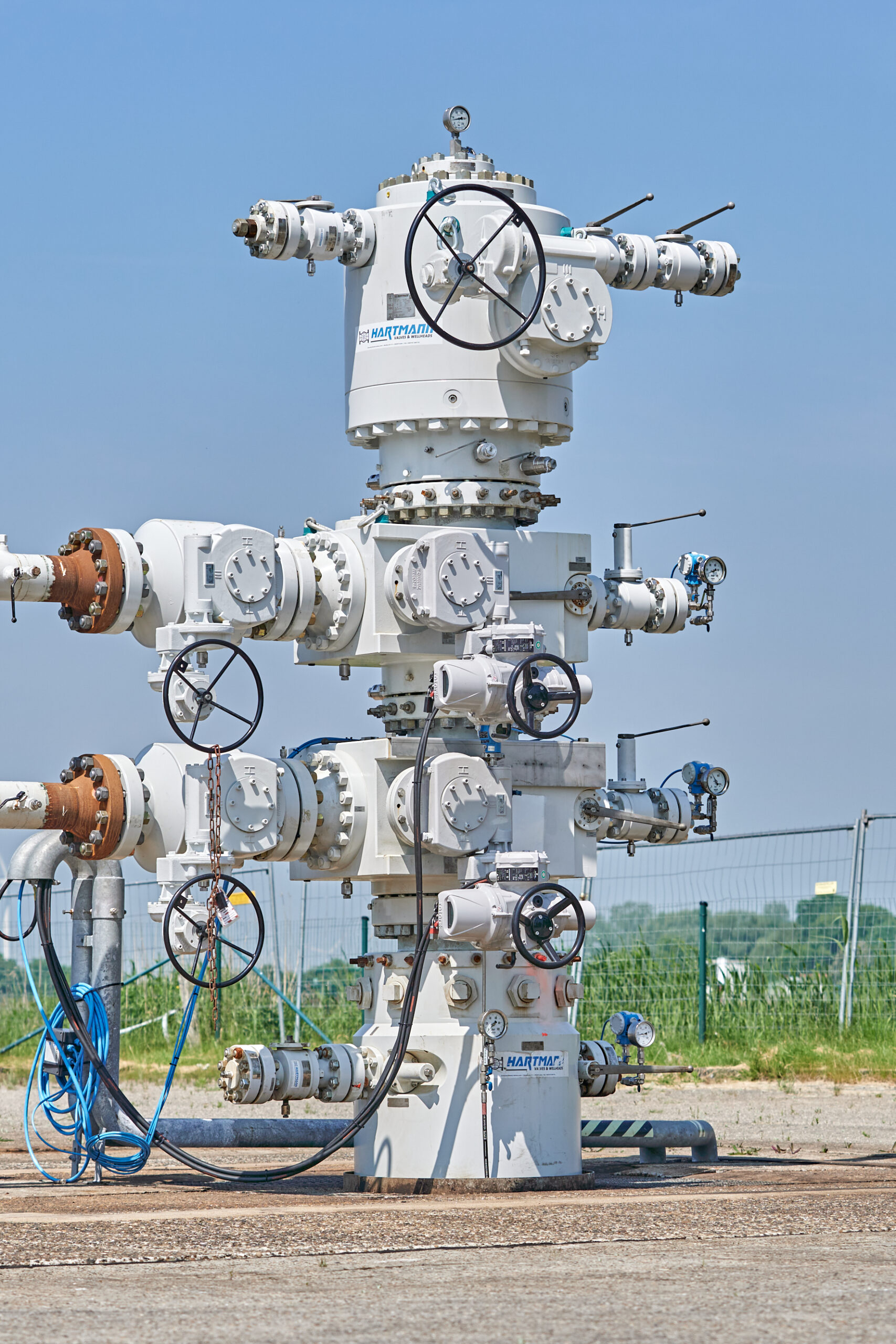
In this context, wellheads perform several central functions:
After extraction, the media are processed in production plants. This includes phase separation, pressure regulation, and treatment for the further process.
In these applications, valves are primarily responsible for the safe isolation of plant components and the control of process flows.
Ball valves are used when:
The focus of energy production is on applications in extraction as well as in production-related treatment processes. Downstream process steps such as energy transport and energy storage have their own requirements for valves and are considered separately. Energy conversion applications in the power plant environment are classified under power plant technology.
The selection of suitable valves is based on defined operating parameters and safety requirements. The decisive factor is not only the nominal design, but reliable function under real operating conditions throughout the entire service life. In energy production, the focus is primarily on tightness, pressure and temperature resistance, maintenance effort, and safety-related shut-off concepts.
Typical design criteria are:
General:
Implementation at Hartmann:
Technical Features:
General:
Implementation at Hartmann:
General:
Implementation at Hartmann:
Technical Features:
General:
Implementation at Hartmann:
Technical Features:
Energy production places different requirements on shut-off valves depending on the process, medium, and mode of operation. High pressures, heavy thermal loads, and safety-critical shut-off tasks can impair the function of conventional gate valves. Metal-to-metal sealing ball valves follow a different design principle and offer decisive advantages, particularly when there are high requirements for tightness, operational safety, and low maintenance.
Gate valves are widely used in energy production plants. However, in high-pressure applications and for safety-critical shut-off tasks, their design principle reaches fundamental limits. High differential pressures, thermal loads, and demanding operating conditions place significant strain on the valve and directly affect function, tightness, and operability.
Particularly under these conditions, it becomes clear that gate valves are only suitable to a limited extent for frequent actuation cycles and particularly high requirements for shut-off safety. As a result, the reliability of the shut-off can decrease – a critical factor for the operational safety and availability of energy plants.
At high pressures and temperatures, the guide, seat, and sealing areas of a gate valve are heavily stressed. Contamination, deposits, and thermally induced deformations can further impair the linear sliding movement of the gate.
Over time, the gate can become stiff, block, or no longer open and close completely. At the same time, the required actuation torque increases. Frequent load cycles and high differential pressures also accelerate wear on guides and sealing surfaces. This can lead to leaks, loss of sealing integrity, and a restricted or no longer reliably guaranteed shut-in capability.
Ball valves from Hartmann Valves are based on a fundamentally different design approach. Instead of a linearly moving gate, a rotating shut-off element in the form of a ball is used, which rotates within its own volume.
This eliminates many geometries and guide areas where contamination or deposits can accumulate and impair the function of the valve. The movement is not sliding along critical internal surfaces, but rotating, and is therefore structurally significantly less sensitive to high differential pressures, thermal load cycles, and demanding operating conditions.
Due to their design principle, ball valves remain reliably operational even under high pressures, heavy thermal loads, and frequent load cycles, while gate valves can reach their limits under these conditions. The metal-to-metal sealing system ensures high tightness and reliable function even with demanding media and safety-critical shut-off tasks in energy production.
Furthermore, the design allows for actuation under full differential pressure. Robustly designed actuator systems are capable of safely handling high torques and overcoming increased resistance in a controlled manner. Thus, the functional and shut-off capability of the valve is maintained even under demanding operating conditions.
In energy production, valves must function reliably even under high pressures, with demanding media, and over long operating periods. In addition to a safe shut-off function, tightness, service life, and calculable maintenance effort are crucial.
The tightness of our valves is verified through technical testing in accordance with the relevant regulations and the applicable product standard. Our internal manufacturer standard exceeds the requirements of common testing standards such as API 598 and DIN EN 12266. In this way, we create a resilient basis for very high shut-off tightness in demanding applications. The internal definition of leak rate A is based on ISO 5208.
The design is geared towards durable and low-maintenance operation. This allows maintenance effort to be reduced, downtime risks to be limited, and availability requirements to be reliably met even in safety-critical processes.
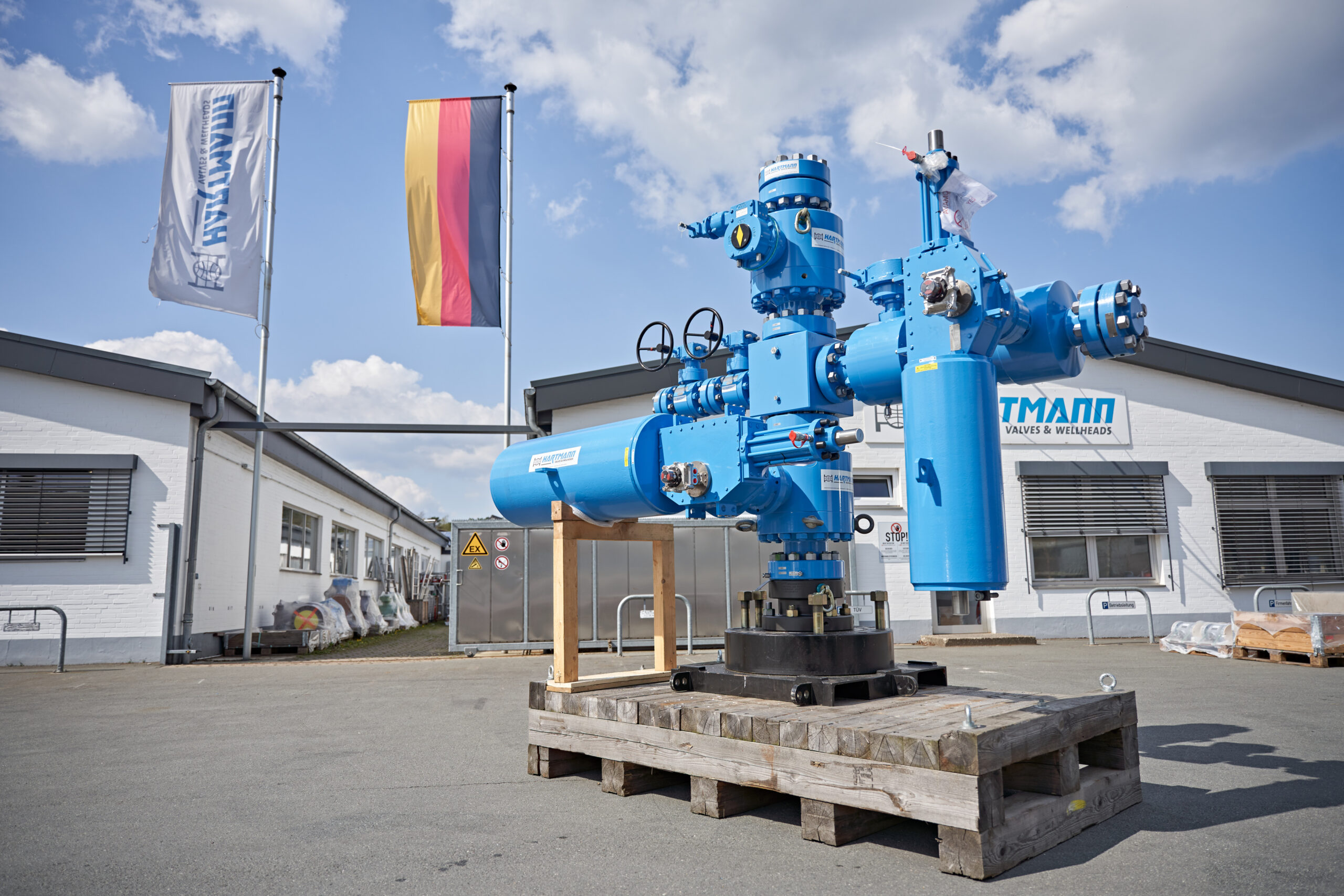
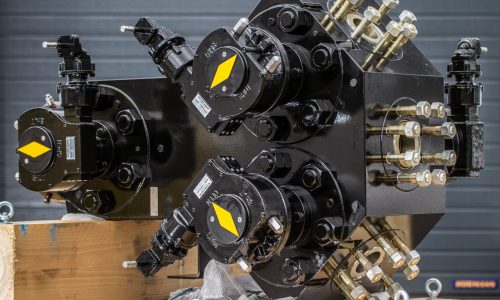
As part of the overhaul of several Christmas trees for gas production, a completely new design concept was implemented: instead of Christmas trees with gate valves, Solidblock Christmas trees with integrated ball valves are used.
The concept combines a compact design with the advantages of gas-tight ball valves – at high and especially at low pressures.
Our high-performance valves and wellhead solutions meet national and international requirements for safe use in energy production, including:

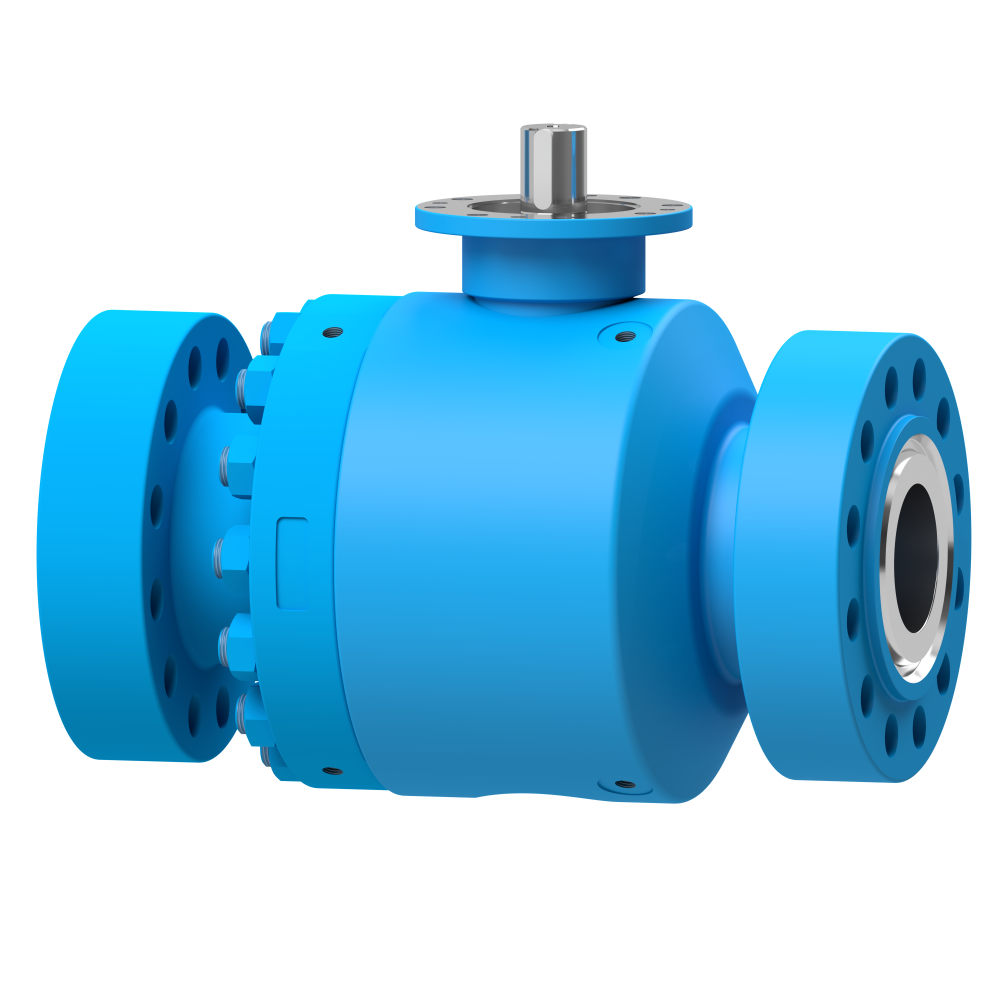
API 6A ball valves combine robust construction with reliable sealing for safe use in high-pressure applications. Developed for long-lasting performance.
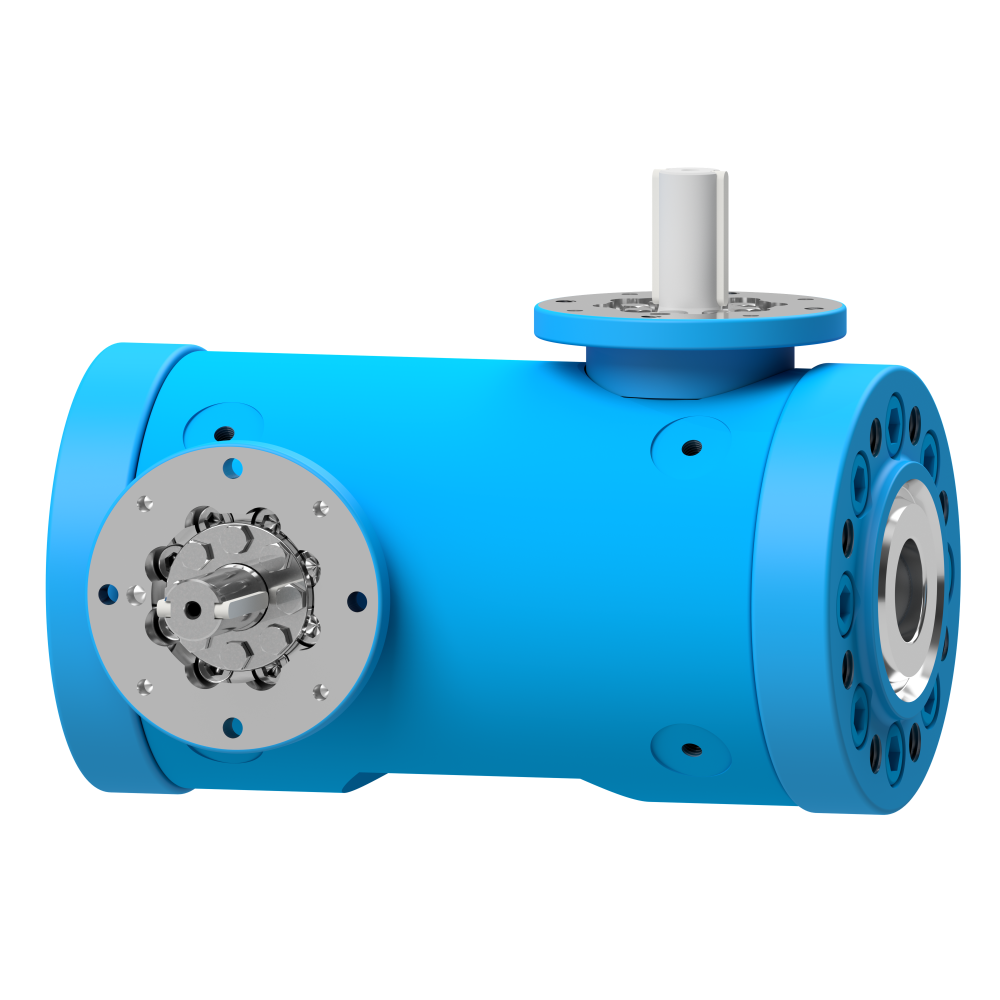
Twin Ball Valves combine two independent shut-off systems (two balls) in one housing and are 0-bubble-tight as well as testable between the closures. Compact, safe, space- and cost-saving.
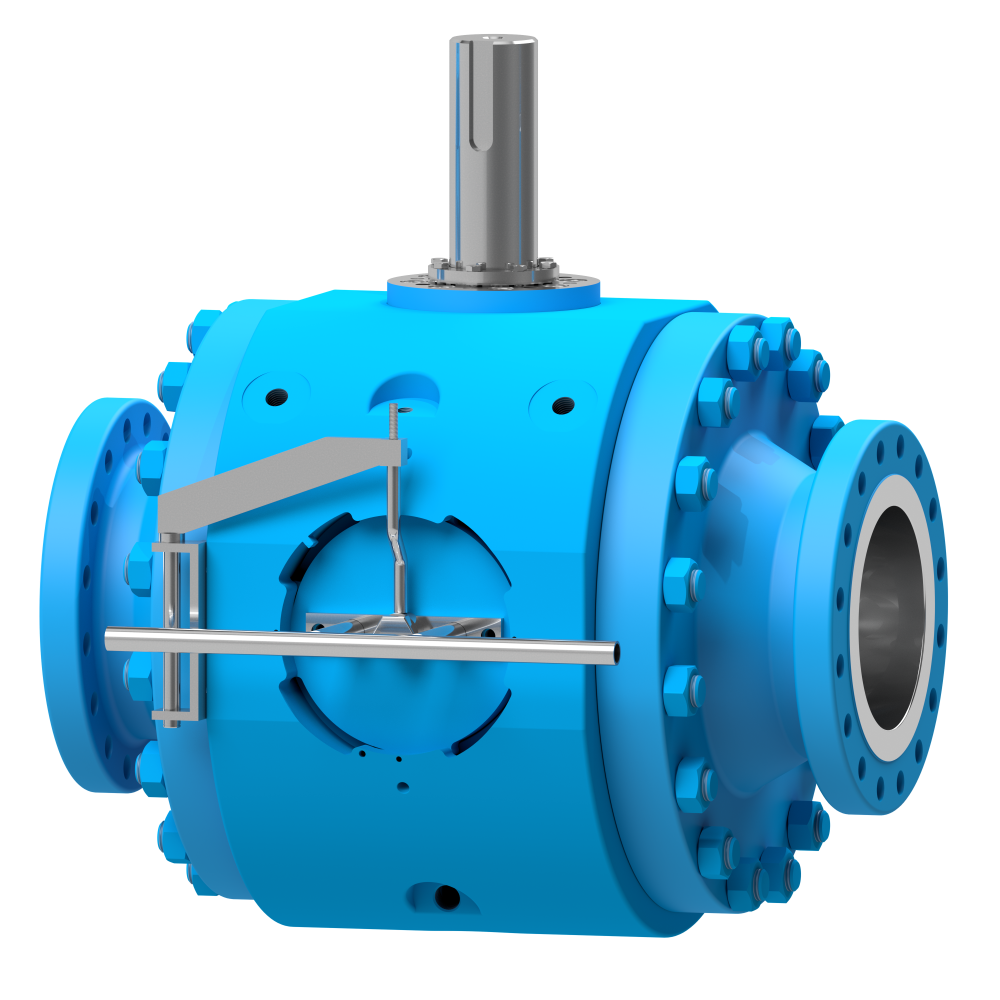
Pig ball valves combine shut-off and pigging functions in one valve, enable safe launching and receiving, and provide a space- and cost-saving alternative to pig trap systems.
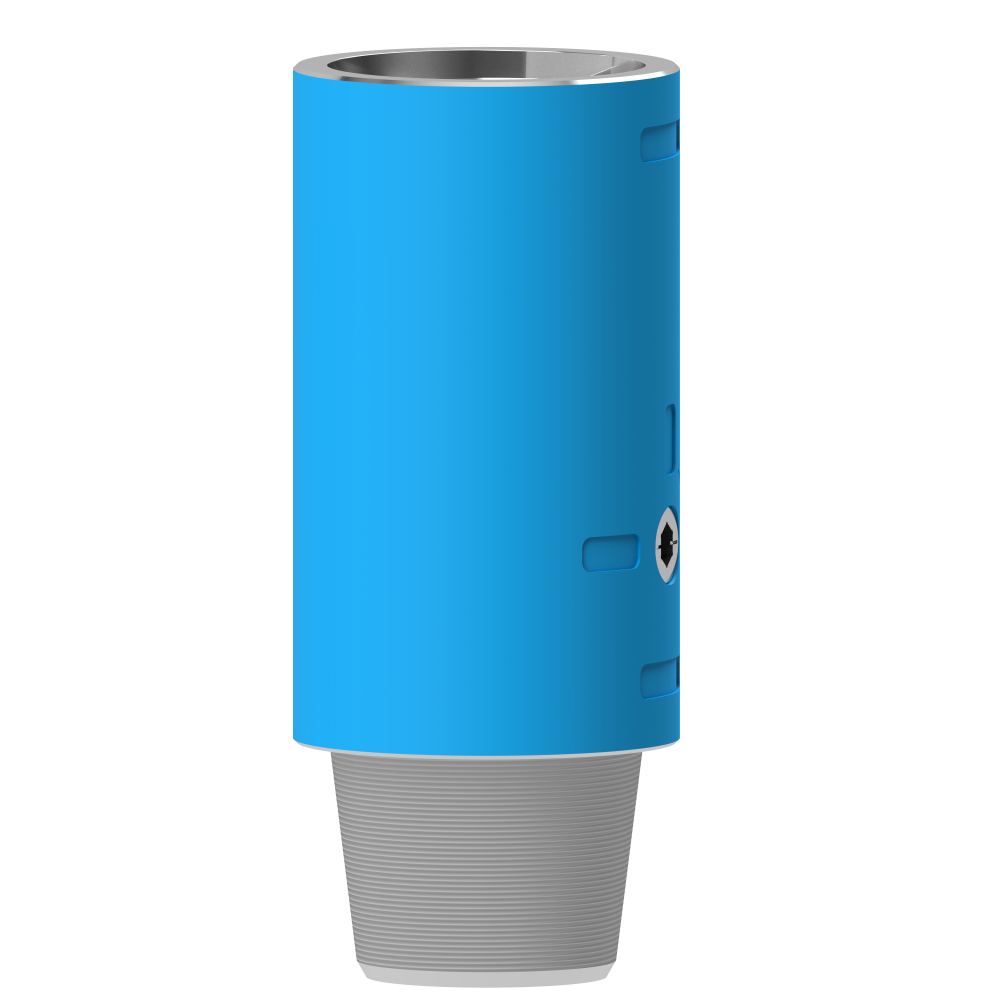
Kelly valves act as safety valves in the drill string and enable the rapid interruption of the media flow. Manufactured for use in drilling applications and according to API Spec 7-1.
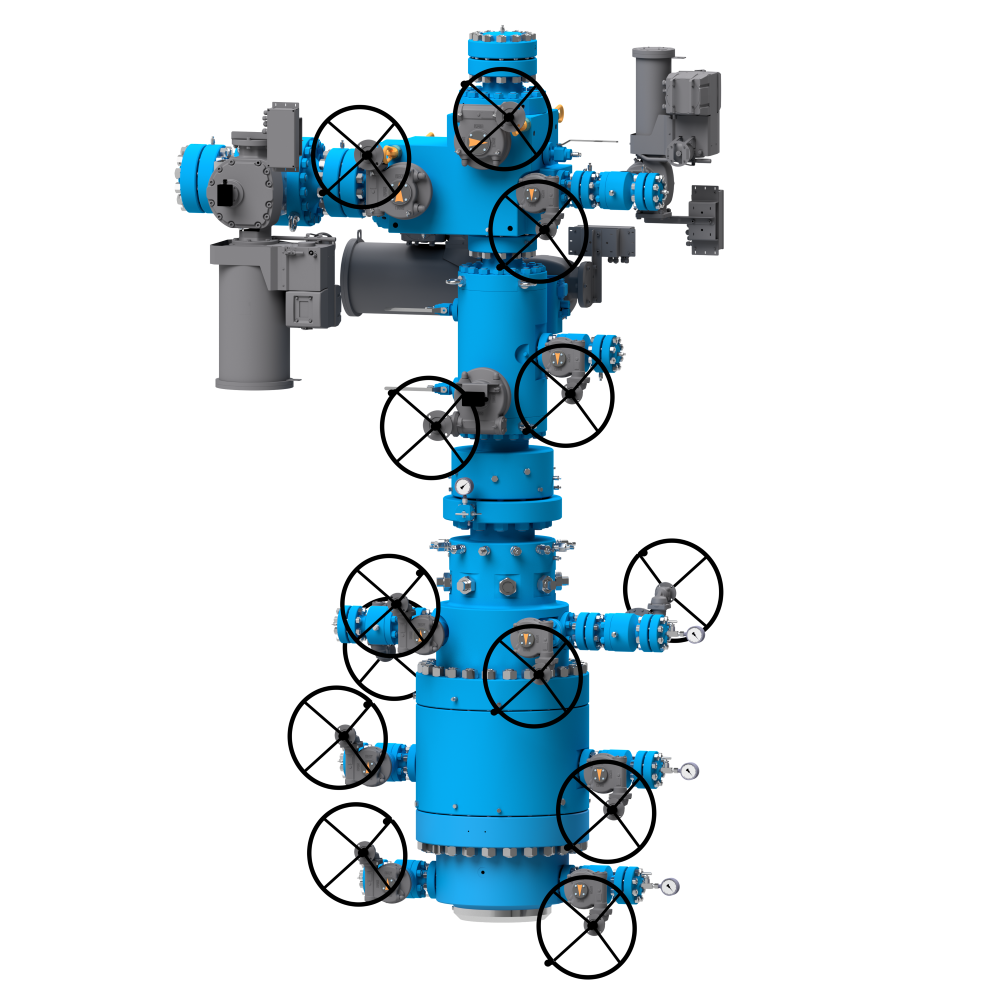
Wellheads in conventional design are custom-manufactured. The modular design thus enables a precise configuration for the respective application.
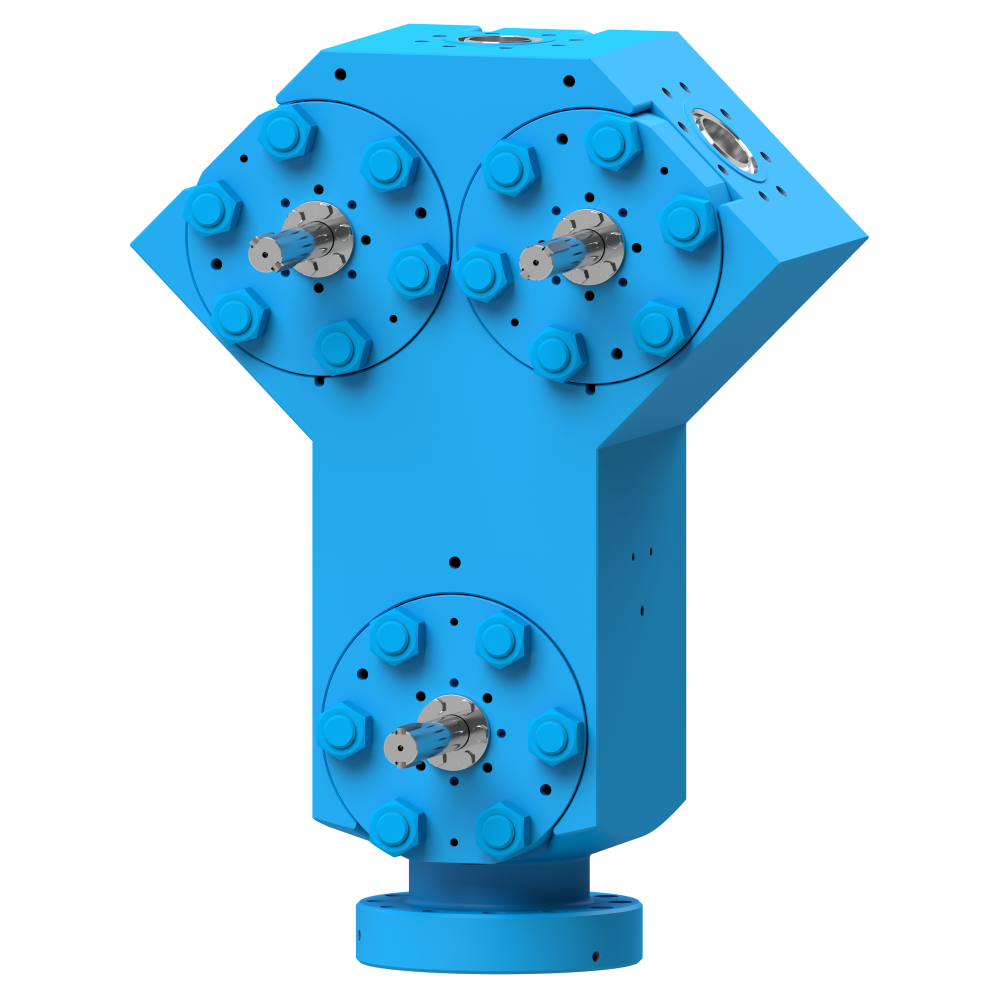
Wellheads in solidblock design are custom-manufactured. The integrated design reduces interfaces, simplifies the setup, and increases operational safety.

We support you in all project phases: from planning and design to manufacturing, installation, and regular inspection.
Hartmann ball valves are specifically designed for abrasive and corrosive media. Their metallic sealing ensures absolute tightness (leak rate A) and reduces maintenance effort. Through decades of experience in oil, gas, and geothermal projects, they offer maximum operational safety – even under extreme conditions.
Operators report up to 10 years of maintenance-free operation. The purely metallic sealing and the maintenance-free design without grease filling minimize downtime and maintenance costs.
Hartmann Valves manufactures according to international standards such as API 6A, ISO 15848, TA-Luft, Fire Safe, and NACE. These standards ensure tested safety and the highest quality in safety-critical plants.
The ball valves are suitable for crude oil, natural gas, sour gas (H₂S), sour oil, CO₂, as well as abrasive and corrosive media. Applications with high pressures and temperatures are also safely managed.
Hartmann wellheads combine robust construction with metal-to-metal sealing ball valves. They offer gas-tight shut-off (leak rate A/0), high safety, and low maintenance effort – even with aggressive media such as H₂S, sour oil, and CO₂.
Classic wellhead designs as well as integral designs (solidblock) are available. The latter reduce flange connections, lower the leak rate risk, and shorten setup times – ideal for compact plant concepts.
The block design reduces the number of flange connections and thus potential leakage points. This increases safety and minimizes the risk of emissions or failures in critical processes.
Ball valves from Hartmann Valves are less prone to blocking, do not require grease filling, and therefore do not cause contamination of downstream systems. They wear less and can offer increased safety and service life through the DIB 2 double barrier.