



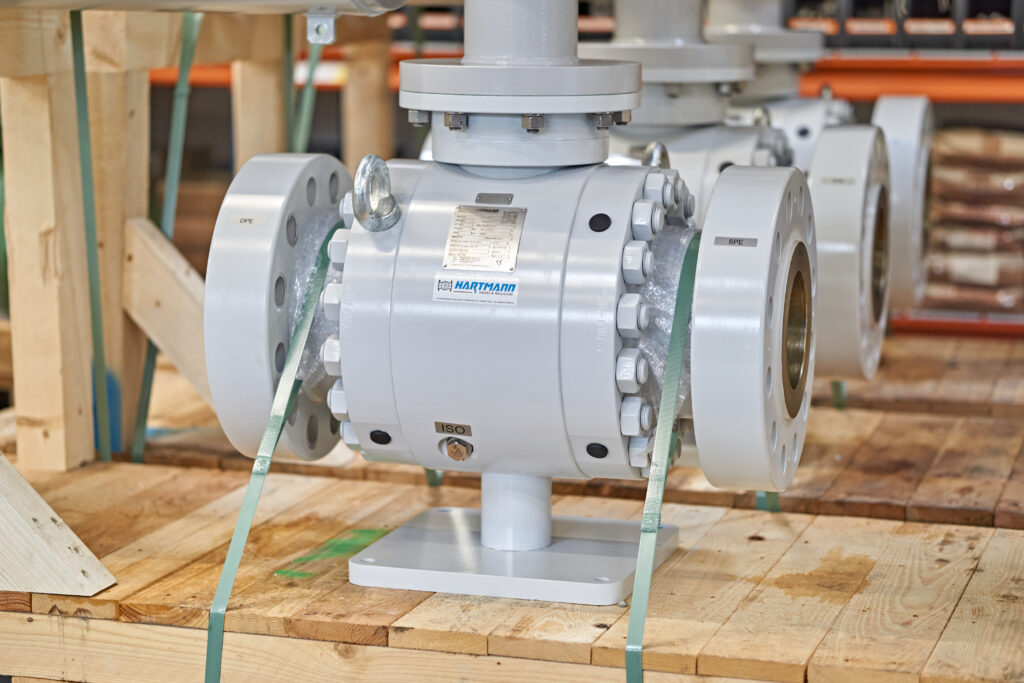
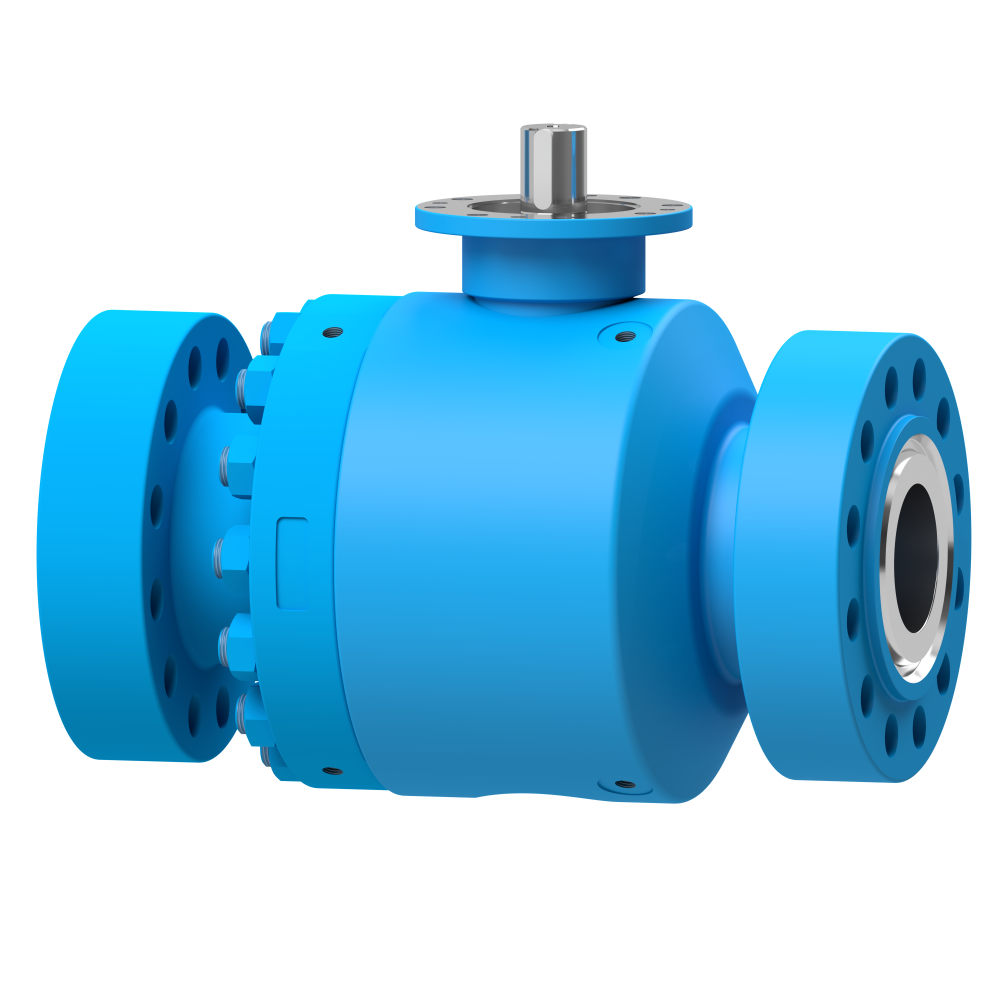
When transporting oil, gas, and other demanding media, the valves are exposed to high pressures, temperatures, and particle loads. This places high demands on the valves.
Thanks to over 80 years of experience, Hartmann Valves develops ball valves for extreme conditions. Individually designed, robust, metal-to-metal sealing designs ensure maximum safety and reliable operation – even with corrosive and abrasive media such as sour gas (H₂S), sour oil, and CO₂.
Through project-specific design and individual material selection, Hartmann Valves’ ball valves are used worldwide for safety-critical transport applications.
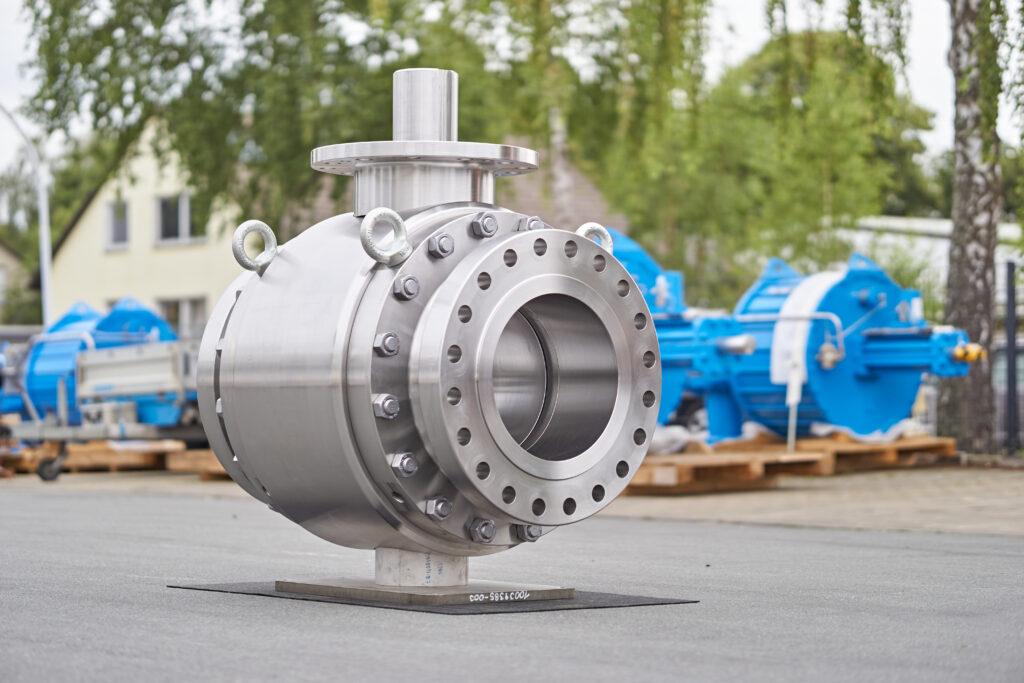
Metal-to-metal sealing ball valves are designed for applications where soft-seated systems reach their limits. They are used wherever demanding media, extreme pressures and temperatures, or high cycle operations require a permanently reliable shut-off. The gas-tight sealing system meets leak rate A and ensures a permanently reliable shut-off.
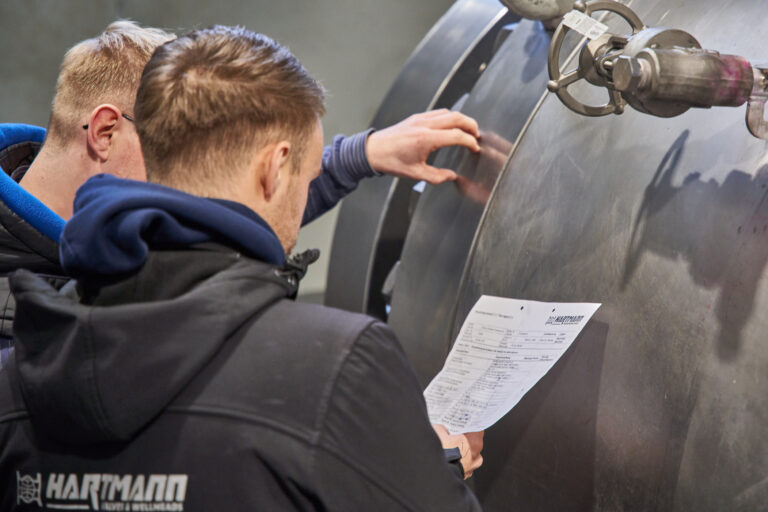
The tightness of our valves is verified in technical tests according to the relevant regulations and in accordance with the underlying product standard. Our internal manufacturer standard exceeds the requirements of common test standards such as API 598 and DIN 12266. This creates a reliable basis for very high shut-off tightness in demanding applications. The internal definition of leak rate A is based on DIN ISO 5208.
The metal-to-metal sealing between the ball and seat rings ensures high wear resistance, minimized maintenance, and a long service life.
Depending on plant requirements, our ball valves can be equipped with additional safety and functional options. The selection of suitable concepts depends on the medium, pressure direction, test requirements, actuation frequency, and the customer’s operational and maintenance concepts.
Hartmann Valves’ trunnion-mounted ball valves can be designed with both double block and bleed (DBB) function and double isolation and bleed (DIB) function.
The DBB function can be implemented in a single valve (seals on both sides on the upstream side with a bleed connection for venting/testing) (Hartmann Type AST), or as a Twin Ball Valve with two separate balls (Hartmann Types TSF and TST).
To implement the DIB function, Hartmann Valves uses double piston seat systems that can seal in both directions. Double piston seat systems on both sides (DIB1) are mainly used for gases, while single-sided double piston seat systems (DIB2) are suitable for all media due to the resulting cavity relief. By using double piston seat systems, two barriers can be created in one direction within a single valve. When these systems are used in a Twin Ball Valve with two separate balls, up to four barriers can even be achieved in the direction of pressure. Thus, these functions can significantly increase the safety of plants.
The gas-tight, metal-to-metal sealing ball valves withstand high temperatures and pressures. Special designs offer additional safety and economic advantages.
Our low-maintenance and durable valves ensure maximum service life in highly stressed plants.
Depending on the medium, the highest demands are placed on the sealing technology, the materials used, and the design of the valve: requirements that Hartmann products consistently meet.
-200 °C (-328 °F) to + 550 °C
Vacuum up to 700 bar (also vacuum and high-pressure operation)
Crude oil, natural gas, CO₂, sour gas (H₂S), sour oil, oxygen, abrasive and corrosive media
e.g., as pipeline and energy transport systems, compressor and booster stations, gas processing plants, and underground installations
Our high-performance valves comply with national and international standards, including:

API 6A ball valves combine robust construction with reliable sealing for safe use in high-pressure applications. Developed for long-lasting performance.
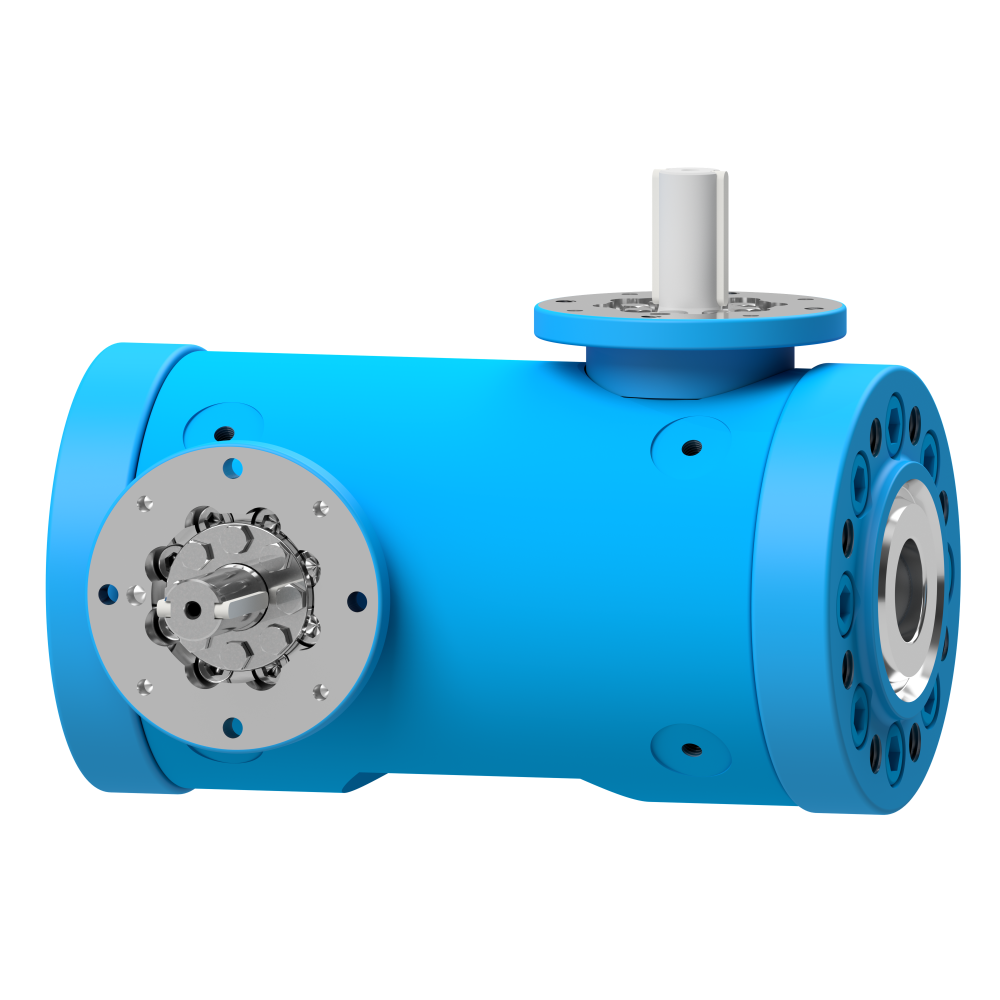
Twin Ball Valves combine two independent shut-off systems (two balls) in one housing and are 0-bubble leak rate and testable between the closures. Compact, safe, space- and cost-saving.
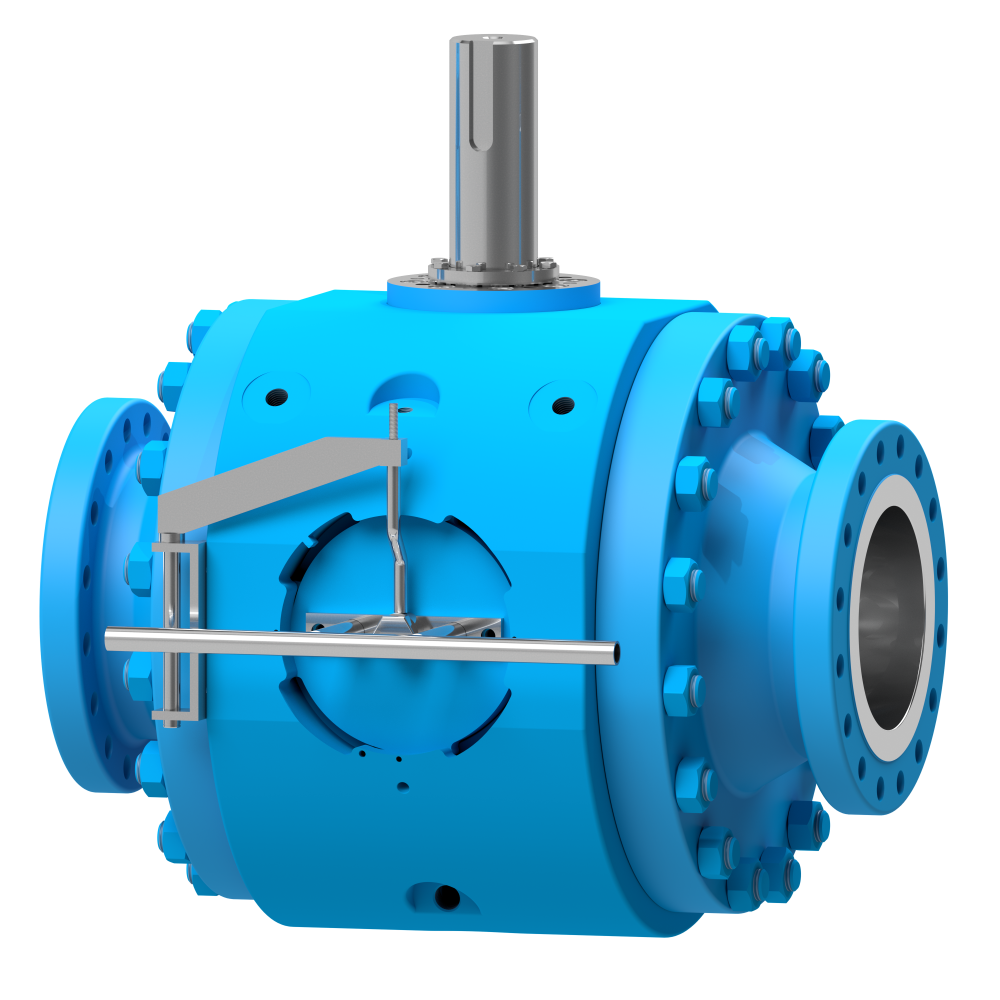
Pig ball valves combine shut-off and pigging functions in one fitting, enabling safe launching and retrieval. As a space- and cost-saving replacement for pig trap systems.

We support you in all project phases: from planning and design to manufacturing, installation, and regular inspection.
Hartmann ball valves meet the highest safety standards and are designed for abrasive, corrosive media such as sour gas, sour oil, or CO₂. Their metallic sealing guarantees absolute gas tightness (leak rate A) and minimizes maintenance – ideal for long-running pipeline and compressor applications.
DIB (Double Isolation and Bleed) refers to a double barrier that ensures complete isolation of the medium when valves are closed. This increases process safety and reliably protects personnel and plant from media leakage.
The integral design combines multiple functions in one component. This reduces installation height and assembly time, saves flange connections, and significantly increases safety – eliminating screw connections susceptible to corrosion.
All ball valves for energy transport are manufactured according to international standards such as API 6D, API 6A, PED, TA-Luft, Fire Safe, and NACE. These certifications ensure tested safety and high reliability in continuous operation.
Hartmann Valves’ ball valves are suitable for the transport of crude oil, natural gas, CO₂, sour gas (H₂S), and sour oil. They are used in pipelines, compressor stations, gas processing plants, and underground installations.