


Ammonia
Safe shut-off for critical NH₃ processes
Ammonia (NH₃) is gaining global importance – both as a chemical raw material and as an energy carrier for the transport and storage of hydrogen. In Europe, new infrastructures are emerging for ammonia import terminals, storage facilities and tank farms, ammonia pipelines, and cracking plants for converting NH₃ into H₂. These applications place high demands on tightness, materials, and operational safety. Hartmann develops valve solutions for these applications, individually designed for the medium, temperature, pressure, and operating mode.
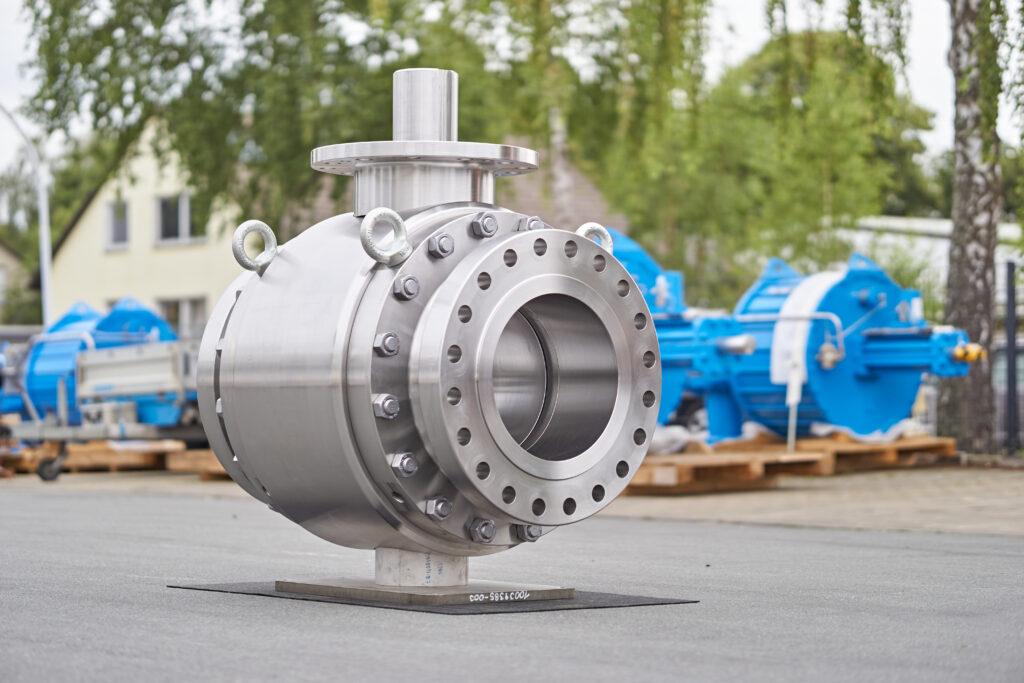





Custom Design
Reliability for NH₃ processes
Ammonia is a toxic and chemically active medium. Even minor leaks can be safety-critical. Accordingly, the demands on the tightness, material resistance, and long-term stability of the valves used are high. Hartmann steps in where standard solutions reach their limits, developing customized solutions for static and dynamic loads, temperature changes, and safe operation in critical NH₃ systems.
Temperature
up to 550 °C
Pressure
PN 16 to PN 690
Actuation frequency
designed for high cycle operations and dynamic load cases
Applications
Ammonia import terminals, storage facilities and tank farms, ammonia pipelines, cracking plants (NH₃ to H₂), loading, caverns, hydrogen infrastructure
Requirements for valves in NH₃ systems
Maximum tightness and operational safety
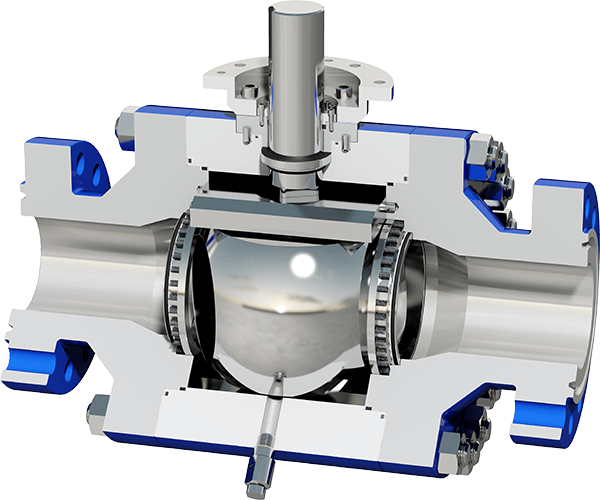
Ammonia is a toxic and chemically active medium, where even the smallest leakages can be safety-critical. Accordingly, the demands on the valves used are high: very high tightness (fugitive emissions), resistance to NH₃ and moisture, prevention of permeation, reliable function during temperature changes, control of trapped volumes, and long-term stability under static and dynamic loads are required. For such critical applications, metal-to-metal sealing ball valves are used. They offer decisive advantages over soft-seated valves. Permeation and aging of soft-seated seat rings are thus excluded. Gas-tight, metal-to-metal sealing ball valves are characterized by high resistance to temperature cycles and reliable suitability for high pressures and large nominal diameters.
Different sealing concepts are used depending on the application:
- Fully metal seated systems
- PTFE groove rings
- FFKM
- Hybrid solutions
- Graphite
Terminals, loading, storage, caverns, and hydrogen infrastructure.
Hartmann valves for NH₃ applications can be equipped with electric, pneumatic, hydraulic, or rapid-close actuators with closing times of up to 0.5 seconds.
Reliable shut-off
Our metal-to-metal sealing system
You are currently viewing a placeholder content from YouTube. To access the actual content, click the button below. Please note that doing so will share data with third-party providers.
More InformationOur fully metal seated ball valves are always used where soft-seated systems reach their limits. In ammonia applications, they prevent permeation and leakages, offer high resistance to the chemically active medium, and ensure permanently stable tightness even under dynamic operating conditions. At the same time, they are designed for demanding NH₃ processes, high pressures and temperatures, and frequent actuations. The gas-tight sealing system meets leak rate A and ensures permanently safe and low-maintenance process control.
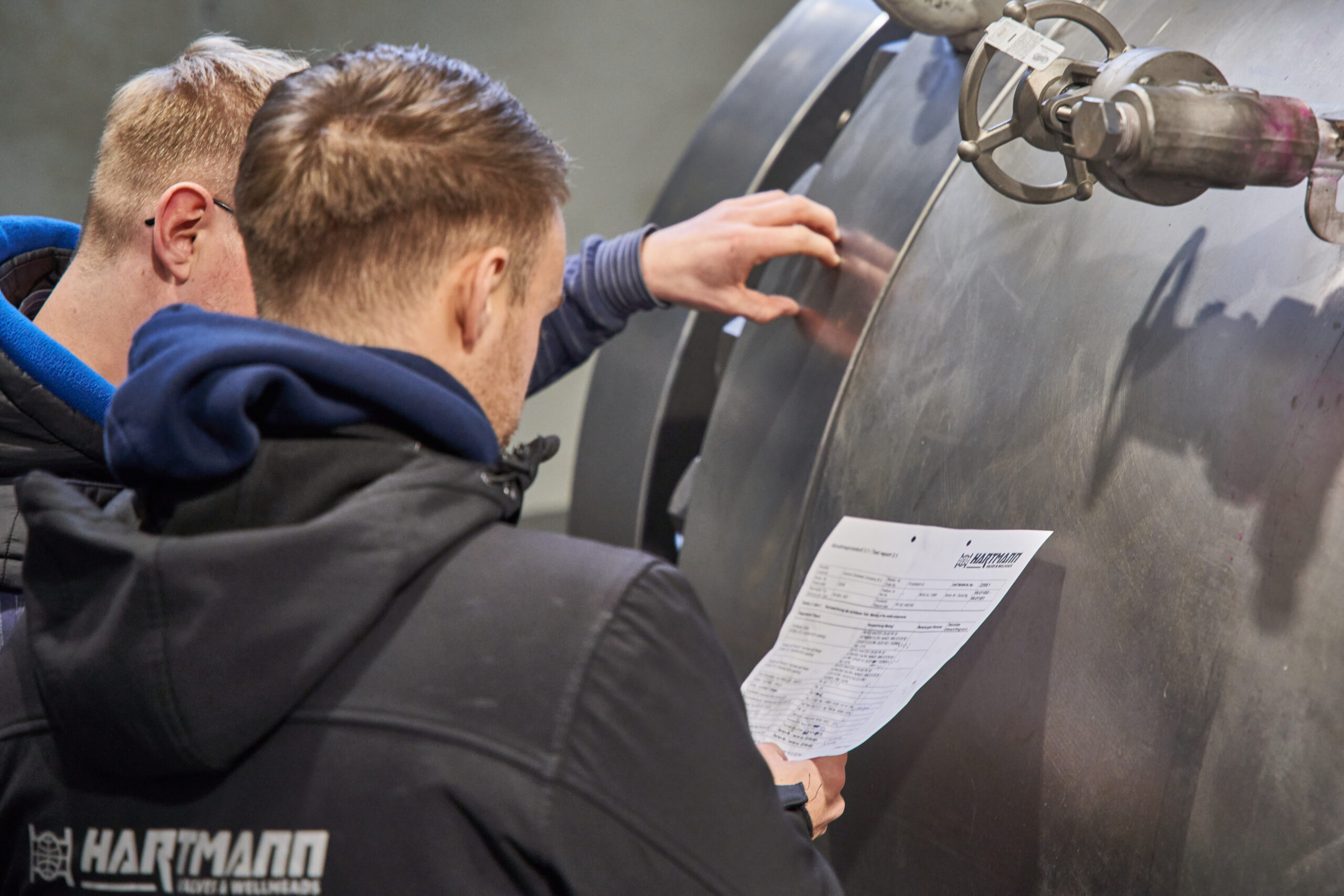
The tightness of our valves is verified in technical tests according to the relevant regulations and in accordance with the underlying product standard. Our internal manufacturer standard exceeds the requirements of common test standards such as API 598 and DIN 12266. This creates a reliable basis for very high shut-off tightness in demanding applications. The internal definition of leak rate A is based on DIN ISO 5208.
The purely metallic sealing between the ball and seat rings ensures high wear resistance, minimized maintenance, and a long service life.
Certified safety for NH₃ processes
Our high-performance valves meet national and international standards, including:
- PED
- DIN EN 16668
- DIN EN 1983
- AD 2000
- API 6D
- DIN EN ISO 10497
- DIN EN ISO 15848
- DIN EN 12266




Contact us
Do you need support in designing ball valves for ammonia applications? Our team advises you on solutions for terminals, storage facilities, pipelines, and hydrogen infrastructure, as well as on the design of existing systems – quickly and straightforwardly.
FAQ
Why does ammonia place special demands on valves?
Ammonia is a toxic and chemically active medium. Even minor leakages can be safety-critical. Therefore, valves for NH₃ applications must be designed to be particularly tight, resistant, and long-term reliable. In addition, there are requirements due to temperature changes, pressure loads, and the control of trapped volumes.
Why are fully metal seated ball valves suitable for NH₃ applications?
Fully metal seated ball valves are particularly suitable for critical NH₃ applications because they operate without permeation, show no aging of elastomeric seals, and function reliably even with temperature cycles and high pressures. They are therefore a robust solution for applications where standard valves reach their limits.
Which sealing systems are used for ammonia?
Different sealing concepts are used depending on the application. These include fully metal seated systems, PTFE groove rings, FFKM, hybrid solutions, and graphite. The selection is made individually based on the medium, temperature, pressure, and operating mode.
What are typical applications for NH₃ valves?
Typical areas of application include import terminals, loading, storage facilities, tank farms, caverns, ammonia pipelines, cracking plants, and applications in hydrogen infrastructure.
Which standards are relevant for NH₃ valves?
Valves for ammonia applications can be designed and supplied according to, among others, PED, AD 2000, API 6D, API 607, ISO 15848, EN 378, and ASME B.