


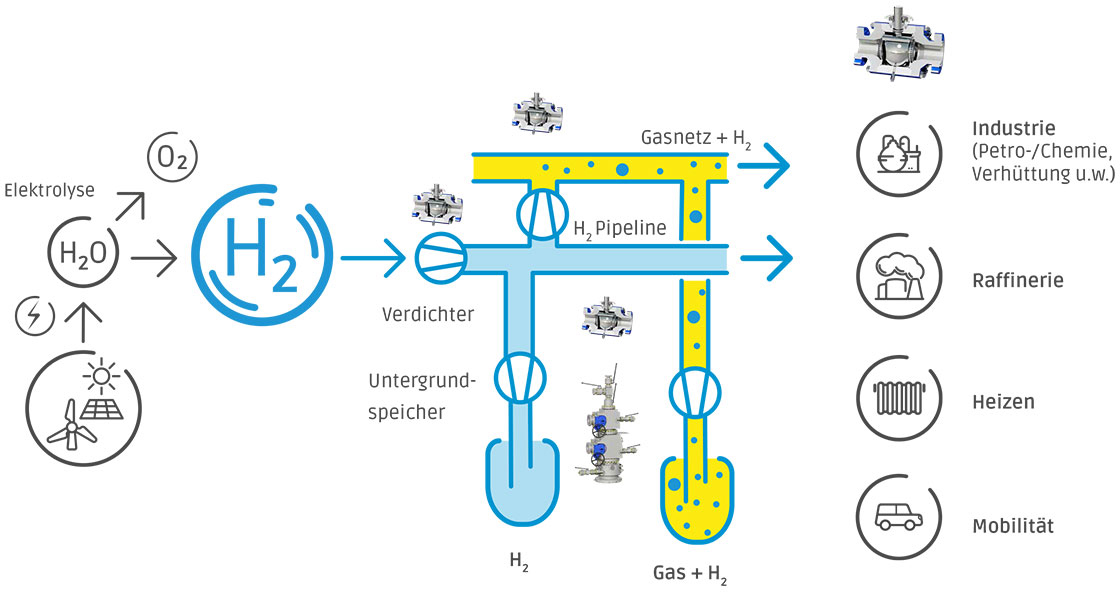
Hydrogen can be transported in various ways—via pipeline networks or by road in pressurized or cryogenic containers. While the transport of liquid hydrogen requires very low temperatures and is associated with high energy consumption, transport in practice often takes place in pressure vessels or via pipelines. Hydrogen can either be transported via dedicated H₂ pipelines or blended into the existing natural gas network. All transport routes require compressors, pipelines, and valves specifically designed for hydrogen to ensure safety and tightness during operation.
Hydrogen
Ball Valves, Wellheads, and Testing for H2 Applications
Hydrogen has been conventionally produced and used in the (petro)chemistry industry for decades. In the course of the energy transition, the medium is now gaining increasing importance in other areas as green hydrogen in mobility and industrial use—for example, for the production of fuel (power-to-fuel), as a chemical feedstock (power-to-chemicals), as a feedstock for direct reduction in steel production, or for later reconversion to electricity in gas-fired power plants. Pipeline networks or hydrogen pipelines (such as the German hydrogen core network) are being developed for transport between production and consumers.
Underground storage in caverns also enables environmentally friendly storage of large amounts of energy to balance energy production and demand. In all these applications, reliable, gas-tight shut-off valves are critical. Metal-to-metal sealing specialty ball valves ensure that hydrogen can be safely controlled and isolated.
Thanks to robust construction, certified safety, and long service life, our specialty valves are a reliable solution for your plant even at high pressures.







You are currently viewing a placeholder content from YouTube. To access the actual content, click the button below. Please note that doing so will share data with third-party providers.
More InformationReliable Shut-off
Ball Valves for Hydrogen Applications
Hydrogen places special demands on valves, materials, and sealing systems due to its physical properties. The following video shows how metal-seated ball valves for hydrogen are designed and which design measures are critical for safe shut-off.
The focus is on aspects such as hydrogen embrittlement, gas-tightness, suitable materials, and additional safety functions in critical applications along the entire hydrogen value chain.
Customer-Specific Design
Reliability for Hydrogen Processes
Hartmann ball valves feature metal-to-metal sealing between the ball and seat ringsand achieve high gas-tightness even at high pressures. Special designs enable use at temperatures up to 550 °C. Even with high cycle frequencies of up to 200,000 actuations per year, the valves operate reliably and require minimal maintenance. Additional safety options such as Double Isolation and Bleed (DIB) or Double Block and Bleed (DBB) further increase operational safety in hydrogen plants.
Temperature
-200 °C to 550 °C
Pressure
up to 690 bar
Actuation Frequency
up to 200,000 actuations/year
Applications
Production of hydrogen (power-to-gas / electrolysis), transport via H₂ pipelines or natural gas networks, pressure vessel transport, storage in caverns, pipelines and compressor stations, industrial use in refineries and chemical industry, fuel cell systems
For Safe Operation
Application Areas Along the Hydrogen Value Chain
Hydrogen applications can be viewed along the entire hydrogen value chain—from production through transport and storage to use in industry, energy, and mobility.
In Germany, around 20 billion m³ of hydrogen are currently produced, worldwide around 500 billion m³. This corresponds to about 2% of global primary energy demand.
Conventional production has been carried out for many years, with around 48% predominantly from natural gas reforming, as it is unrivaled in cost at one euro per kilogram. This large-scale hydrogen production is carried out in steam reforming plants with typical capacities of up to 100,000 cubic meters of hydrogen per hour.
In addition, hydrogen is also produced by partial oxidation of natural gas, liquid hydrocarbons—or in coal-rich countries—also from coal. The hydrocarbons are thermally converted with oxygen to synthesis gas, a mixture of H2 and CO.
Hydrogen as a Contribution to the Energy Transition
Dwindling resources of fossil fuels and the fight against climate change have led politics and science in the energy sector to search for new ways to produce hydrogen for some time.
Processes for producing green hydrogen, which is generated exclusively by renewable energy sources, are therefore increasingly coming into focus.
A key process for producing green hydrogen is water electrolysis. This electrochemical process, known as power-to-gas, uses wind and solar energy to produce hydrogen from electricity and water.
There are essentially three electrolysis processes in use today, which are employed depending on the application:
Alkaline Electrolysis (AEC): It operates with potassium hydroxide solution as electrolyte at pressures of up to 60 bar at a moderate temperature of 90°C. The anode and cathode chambers are separated by a microporous diaphragm to prevent mixing of the product gases. This technology is already established and is characterized by a long service life. With capacities from 0.25 Nm³/h to 1400 Nm³/h, it offers a versatile range of plants and applications, but is sluggish in operating behavior.
Polymer Electrolyte Membrane Electrolysis (PEMEC): It operates with an ion exchange membrane based on copolymers at pressures of up to 350 bar at an equally moderate temperature of 90°C. Medium-sized plants with capacities of 500 Nm³/h are already available. In contrast to AEC, PEMEC is characterized by dynamic response behavior with a compact design, but is still very cost-intensive in terms of system components.
Solid Oxide Electrolysis (SOEC): It operates with solid oxides such as ZrO2 as electrolyte at temperatures from 700°C to 1000°C. The plants are characterized by high efficiency when the steam required as feedstock is available. Corresponding plants have so far only been realized up to 40 Nm³/h; due to the high temperature, their service life is still severely limited. Considerations aim to use the heat produced in a solar concentrator. For example, solar thermal power plants for electricity generation (parabolic trough power plant) in combination with a solar tower power plant, in which temperatures of over 1000°C can be generated, would be conceivable. The electrical efficiency of electrolysis could thus be increased to up to 90%. However, this is only possible in countries with a lot of direct sunlight.
In addition to the electrolysis of water, hydrogen can also be produced by pyrolysis and gasification of biomass. In the first step, pyrolysis, coke and methanol are produced. Subsequent reactions with steam and oxygen produce a gas mixture of hydrogen, CO, CO2, and methane.
Since the resulting CO2 was previously bound from the air by the biomass, this method of production is also considered CO2 neutral.
Another approach to CO2-free production of hydrogen is the Kvaerner process. Here, hydrocarbons such as natural gas or crude oil are split into activated carbon and hydrogen using a plasma burner at approximately 1600°C. The process has been tested on a pilot scale; a plant on an industrial scale is now planned to produce 100,000 Nm³ of hydrogen per hour.
Renewably produced hydrogen offers significant potential for climate protection in an energy system increasingly based on renewable energies. So far, only about 4% of hydrogen production is based on these processes, which has been explained by the still higher production costs of approximately 6-10 EUR per kilogram. However, in the course of the energy transition, there are already a large number of power-to-gas (or power-to-X) projects, and it appears that hydrogen will account for a significantly increased share of the future energy mix in Germany and worldwide based on this method of production.
Sources: Sterner/Stadler eds.: Energiespeicher, Bedarf, Technologien, Integration (2nd edition 2017) DBI 2019, TÜV SÜD 2020
Since hydrogen production and use are often separated in time and space, storage plays a central role. In addition to transport via existing gas networks, underground cavern storage in salt formations is particularly suitable for storing large amounts of energy over extended periods. Salt is leached out with water, creating large cavities that are impermeable to hydrocarbons and hydrogen and have been used for energy storage for decades. The caverns are typically located at depths of 1000 to 1500 m and can be operated with storage pressures of approximately 70 to 210 bar. Due to their large volume, they can store amounts of energy that are significantly greater than the capacity of large battery storage systems and can thus reliably supply energy to bridge periods of low wind and solar generation.
The wellheads form the interface between underground storage and surface infrastructure. In addition, pipelines, compressor stations, and suitable shut-off valves such as ball valves ensure that hydrogen can be safely transported, compressed, and stored. Modern plants are specifically designed for the requirements of hydrogen to ensure long-term tightness and operational safety.
Hydrogen has been an important basic material for a wide variety of applications for over 100 years. Approximately 19 billion Nm³ of hydrogen are consumed annually in Germany (DWV 2015). Refineries and the chemical industry account for the largest share of use at approximately 85% (DENA 2016). Of this, approximately 30-40% is used in refinery processes, 25% is used in ammonia production alone (worldwide the share is even approximately 50%), and another 20% is used in methanol production.
Due to changing energy policy toward decarbonization of the energy sector, hydrogen produced using CO 2-lean production processes is increasingly coming into focus as an energy carrier. Main areas for future use are therefore, in addition to industrial use in the chemical and petrochemical industries and the refinery sector, the steel industry, the use of H 2 via fuel cells for mobility, stationary applications, and various portable applications.
Direct reconversion to electricity is also conceivable, but is unlikely to play a significant role in the energy system in the next 10 years. Other industries such as glass industry, semiconductor industry, plastics production, metal processing, and pharmaceutical industry contribute less than 1% to hydrogen use (DBI 2020).
Chemicals/Petrochemicals
In the chemical and petrochemical industry, hydrogen plays a central role as a process gas and reactant. Typical applications include ammonia production in the Haber-Bosch process for the production of fertilizers, methanol production as a starting material for numerous chemical products and fuels, and use in food chemistry, for example for the hardening of vegetable oils.
Refinery
In refineries, hydrogen is used in numerous processing and conversion processes. These include Fischer-Tropsch synthesis for the production of gasoline, diesel, and olefins, various hydrotreating processes for the removal of sulfur, metals, nitrogen, and oxygen from crude oil fractions, and hydrocracking, in which long-chain hydrocarbons are split into lighter products such as diesel and gasoline. Hydrogen also serves as an important reactant in hydroformylations for the production of aldehydes and derived chemical products.
Use in the Steel Industry
In the steel industry, hydrogen is gaining increasing importance to reduce CO₂ emissions in steel production. An important approach is the replacement of coal and coke with hydrogen as a reducing agent in the blast furnace, allowing iron ore to be reduced with significantly lower emissions. In addition, direct reduction plants are used in which iron ore is reduced to sponge iron without a blast furnace. Natural gas can be gradually replaced by hydrogen, and in the long term completely by green hydrogen.
Mobile Applications
In the field of mobility, hydrogen is gaining increasing importance as a low-emission energy carrier. It can be used directly in combustion engines, utilized in fuel cells for electricity generation, or further processed into synthetic fuels. Fuel cell applications are particularly widespread, in which hydrogen reacts with oxygen to generate electrical energy—the only emission is water vapor. Application areas range from passenger cars, buses, and trucks to rail transport, ships, and aircraft.
Stationary Applications/Heating
Hydrogen is also gaining increasing importance in stationary and portable applications. Fuel cells can be used as small combined heat and power plants and simultaneously generate electricity and heat for buildings, for example via their own decentralized hydrogen supply from renewable energies or through hydrogen blending into the existing natural gas network. In addition, fuel cells are also used in portable applications, such as for off-grid power supply or as an alternative to batteries and motor-driven generators in small-scale and higher-power applications.
Reconversion of Green Hydrogen/Electricity Production from Hydrogen
Green hydrogen can also be used for reconversion and electricity production. Hydrogen is used in gas turbines, combined cycle power plants, or combustion engines similar to natural gas for electricity generation, for example to cover peak loads during low renewable electricity production. In addition to direct use in turbines, the use of fuel cells is also gaining increasing importance, as they can convert hydrogen into electrical energy particularly efficiently. In the long term, hydrogen can thus play an important role as a storable energy carrier in the energy system.
Sources: DVGW 2013, DWV 2015, DENA 2016, DBI 2019, TÜV SÜD 2020
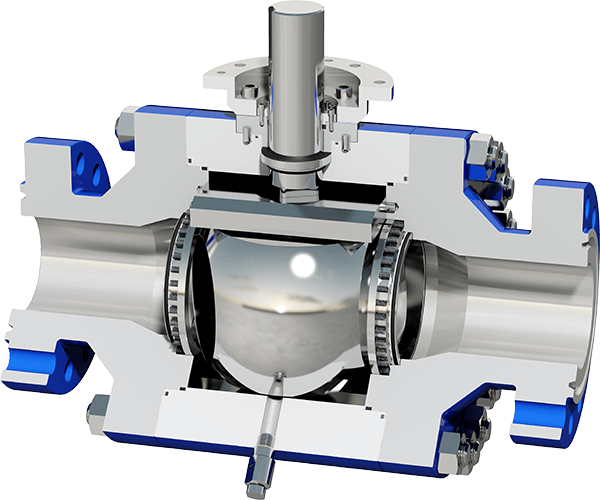
BALL VALVE
Reliable Shut-Off Thanks to Durable Specialty Valves
Hartmann ball valves for demanding applications feature metal-to-metal sealing between the ball and seat rings, ensuring reliable gas-tightness even at high pressures up to 690 bar. Special designs also enable use at temperatures up to 550 °C and at high cycle frequencies of up to 200,000 cycles per year. Various safety concepts are available for additional operational safety, including Double Isolation and Bleed (DIB) with two independent barriers, Double Block and Bleed (DBB) for testing in the pipeline, and triple external sealing to minimize emissions.
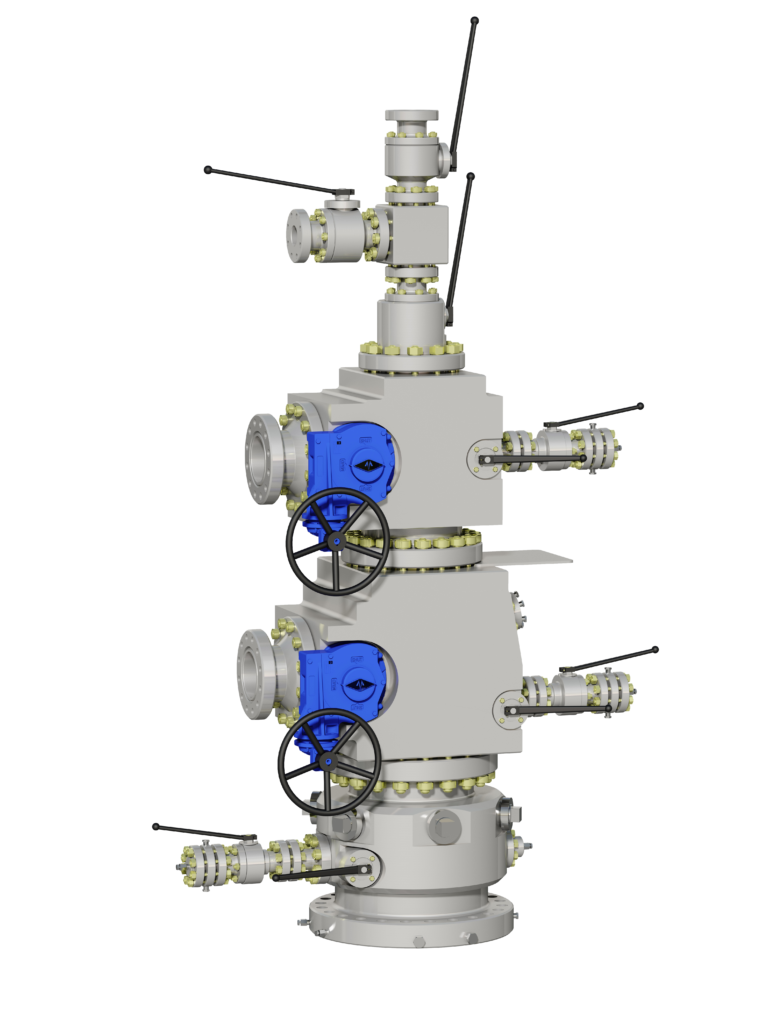
Wellhead
Safe Interface to Underground Storage
Wellheads from Hartmann Valves are equipped with ball valves according to API 6A and are also available in large nominal sizes up to 13-5/8″. Double sealing at flange connections and metal-to-metal sealing at the wellhead at the wellhead ensure high tightness and operational safety. The integration of multiple components in one block also reduces the number of flange connections and increases the reliability of the plant. For special applications, custom designs are also available, for example for control lines, load measurements using strain gauges, or the use of electric pumps.
Where cavern storage is used to store hydrogen, wellheads form the critical interface between the underground cavern storage and the surface infrastructure. They must be specifically designed for the properties of hydrogen to ensure tightness, pressure resistance, and long-term operational safety during the injection and withdrawal of large amounts of energy.
In addition to the first pilot projects for underground hydrogen storage such as H2CAST Etzel, HYSTOCK Zuidwending, HYCAVMOBIL Rüdersdorf, and HPC Krummhörn, the two IPCEI-funded projects of RWE (GET H2 in Epe) and EWE (Clean Hydrogen Coastline in Huntorf) were also equipped with wellheads suitable for hydrogen service from Hartmann Valves.
For Reliable Operation
Hydrogen Testing
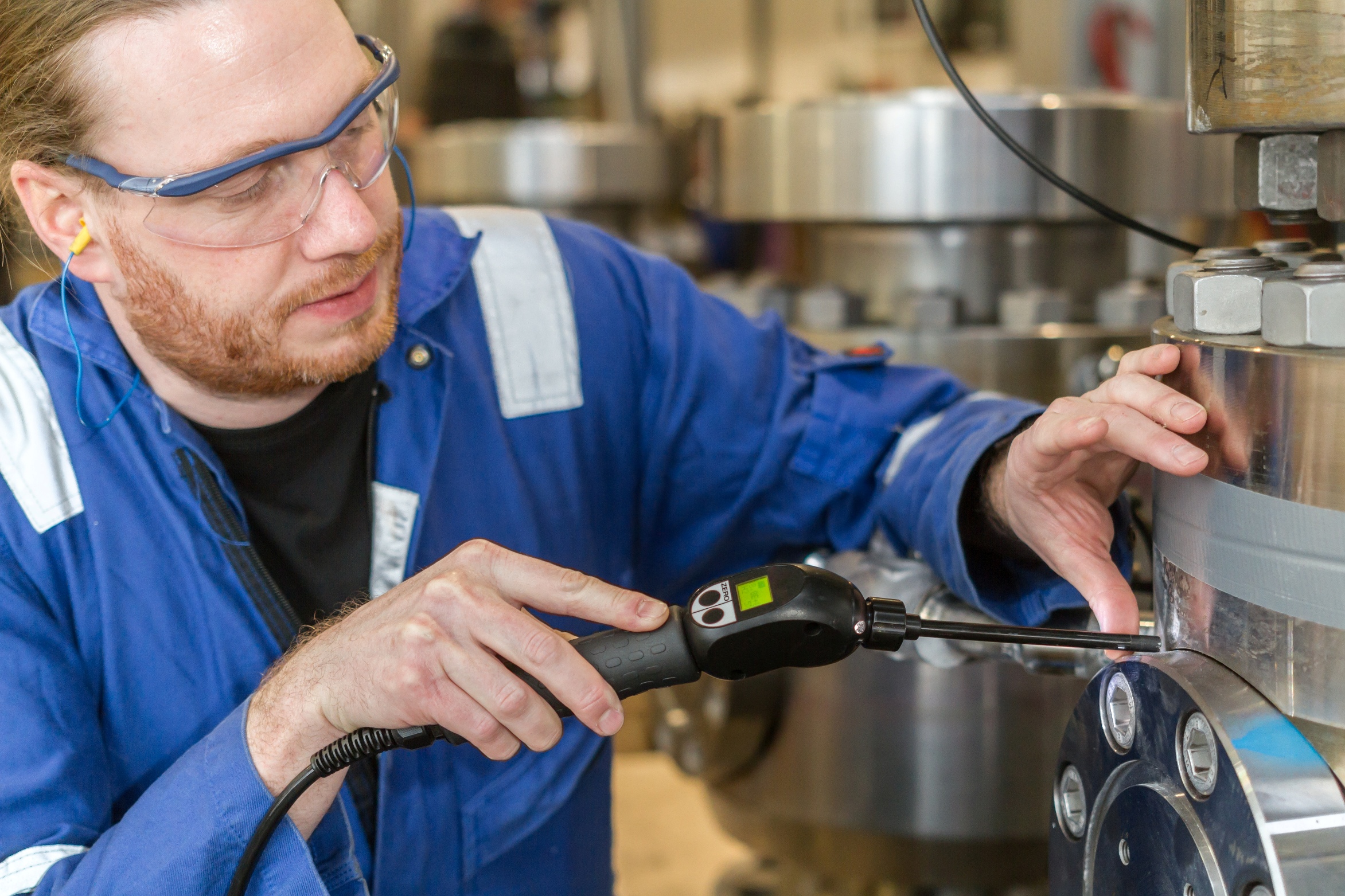
The demanding medium hydrogen will be used in an increasing number of application areas in the future. To ensure safe operation, all components that come into contact with hydrogen must be appropriately suitable and tight. Valves and wellheads to be used must therefore be tested for material suitability of metallic materials and tested for tightness and selected accordingly.
Hartmann Valves offers both hydrogen tests for Hartmann Valves ball valves and wellheads as well as for products from other manufacturers
(based on documentation).
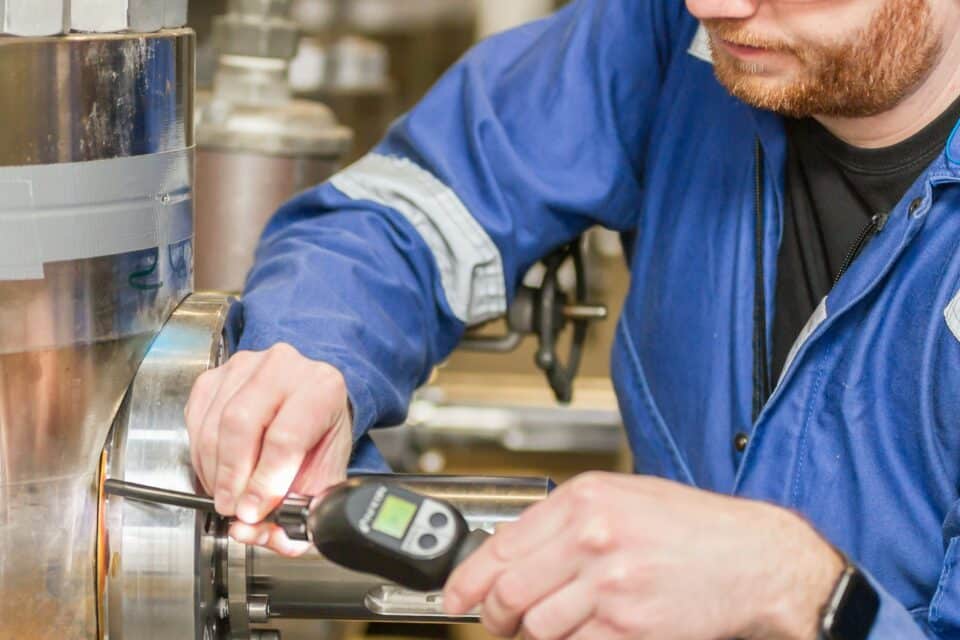
Material Suitability Testing
-
Assessment of material suitability for use with hydrogen
- Testing of hardness and surface hardness of metallic materials
- Assessment of ductility (deformability) of materials
- Investigation of heat treatment and microstructure
-
Testing based on relevant standards
(PED 2014/68/EU (PED), API 6A, API 6D, ASME, DIN EN ISO 15156 / NACE MR0175)
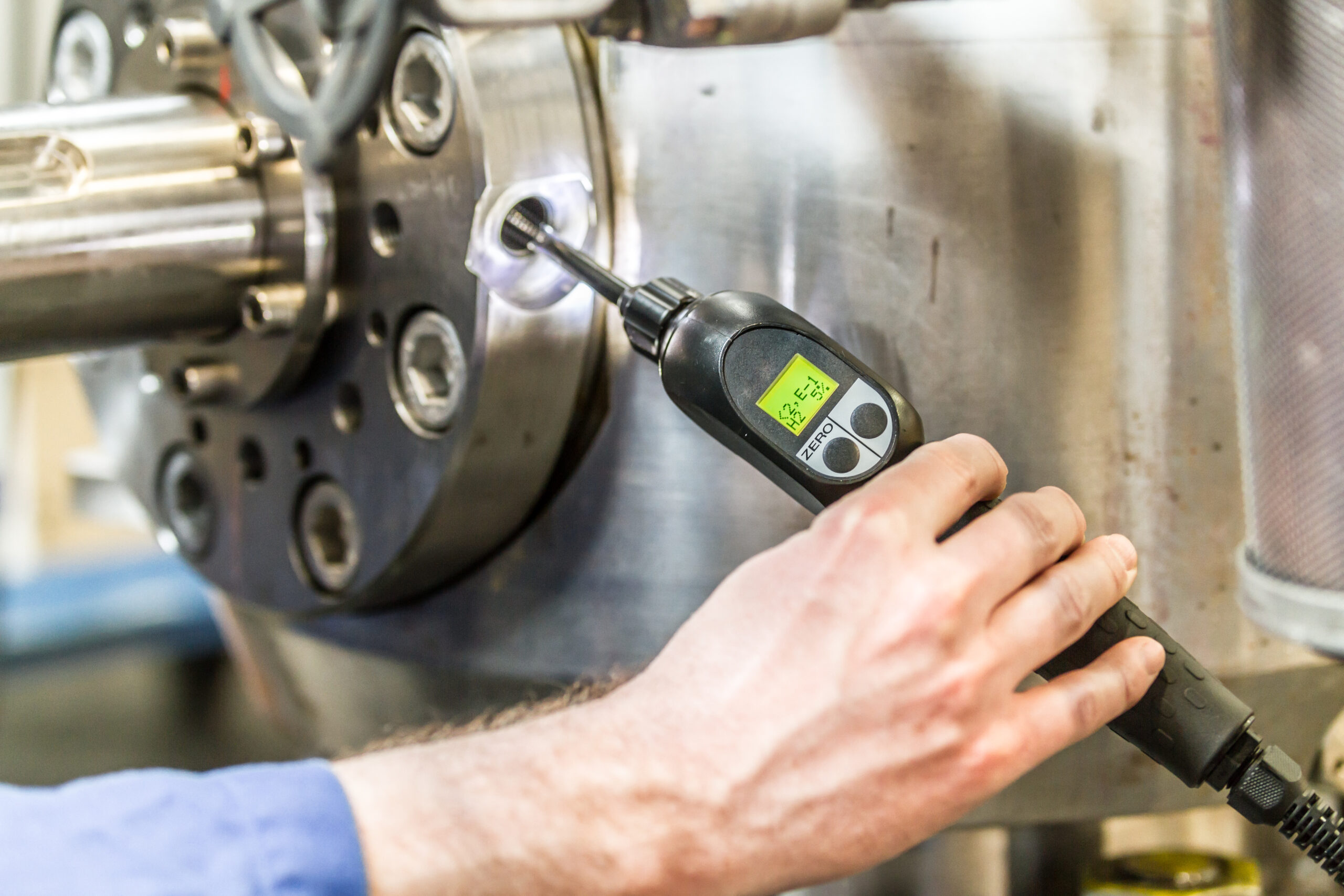
HYDROGEN TIGHTNESS TEST
- Measurement of external tightness using mass spectrometer
-
Use of forming gas as test medium according to
DIN EN ISO 14175 - Leak test in accordance with DIN EN ISO 15848 with defined limit values
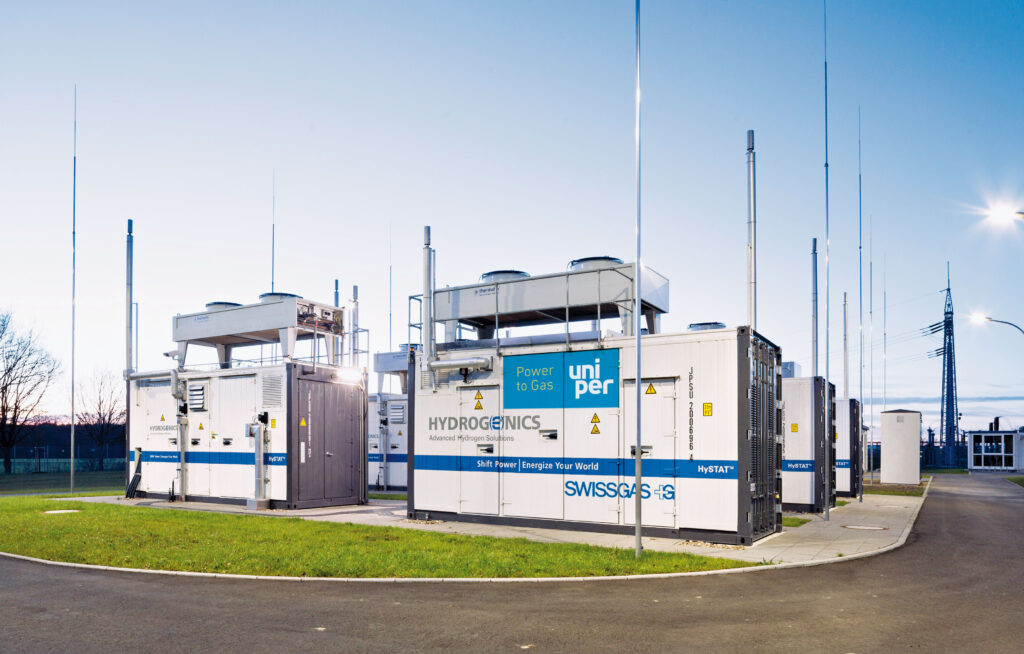
Reference
Valves for Innovative Hydrogen Project
Maximum availability and operational safety of power-to-gas plant: Uniper Energy Storage relies on metal-seated ball valves
- 24 shut-off ball valves
- Seal-welded, double sealing (double-piston design)
- Pure hydrogen
"We could not take any risks with this project. With the wrong manufacturer, we would have jeopardized the entire conversion technically and in terms of time."

René Schoof
Uniper Energy Storage GmbH
Certified Safety for Hydrogen Processes
Our high-performance valves comply with national and international standards, including:
- PED 2014/68/EU
- API 6A / API 6D
- DVGW G 406
- DIN EN ISO 15156 /NACE MR0175
- TA Luft
- DIN EN ISO 15848
- DIN EN 12266-1
- ATEX
- SIL
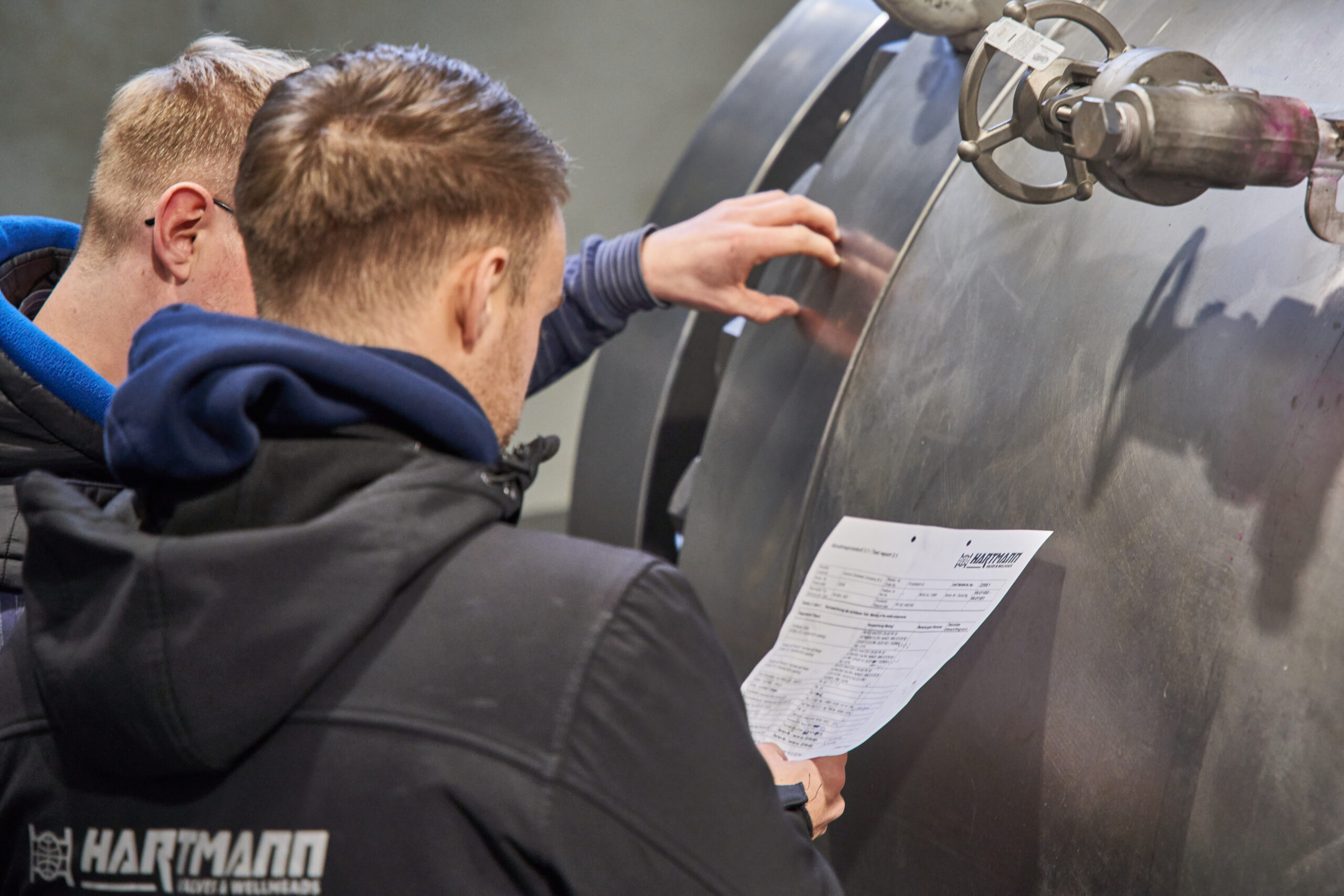



Contact us
Do you need support with the design of ball valves or wellheads for hydrogen? Our team also advises you on hydrogen testing of existing valves—quickly and easily.
FAQ
What special requirements does hydrogen place on ball valves?
Hydrogen is a very small molecule and can diffuse through many materials. Therefore, valves for hydrogen applications must have particularly tight sealing and suitable materials. In addition, hydrogen can embrittle certain metallic materials (hydrogen embrittlement). Ball valves for hydrogen are therefore manufactured from specially suitable materials and evaluated for hardness, ductility, heat treatment, and microstructure. In addition, leak tests are performed to ensure that emission limits are met and no unacceptable leaks occur.
How is the hydrogen suitability of ball valves tested?
Hydrogen suitability is confirmed by material suitability testing and leak testing. In material testing, metallic components are examined for their resistance to hydrogen-induced stress corrosion cracking. In addition, a leak test is performed with forming gas according to DIN EN ISO 14175. The leak rate is measured using a mass spectrometer, often in accordance with DIN EN ISO 15848. These tests enable reliable assessment of tightness and material suitability for hydrogen applications.
Why are metal-seated ball valves suitable for hydrogen?
Metal-seated ball valves offer high gas-tightness and are particularly resistant to demanding process conditions. Carbide coatings in the ball and seat area can achieve very long service lives. At the same time, metallic sealing systems are less susceptible to diffusion effects than many soft sealing materials. This makes such ball valves particularly suitable for applications with high pressures or frequent switching cycles in hydrogen systems.
What role do safety functions such as DBB or DIB play?
Safety functions such as Double Block and Bleed (DBB) or Double Isolation and Bleed (DIB) increase operational safety in critical plants. They make it possible to double-isolate a piping system and relieve or monitor the intermediate space. This allows maintenance work to be carried out safely or potential leaks to be detected early. In hydrogen systems with high safety requirements, such multi-barrier concepts are particularly relevant.
Where are hydrogen ball valves typically used?
Ball valves for hydrogen are used in many areas of the hydrogen value chain. These include electrolysis plants for hydrogen production, transport pipelines such as H₂ pipelines or natural gas networks with hydrogen blending, and infrastructure around hydrogen storage. Industrial applications in refineries, the chemical industry, or fuel cells also require reliable shut-off valves to safely control hydrogen and protect process plants.
What role do wellheads play in hydrogen applications?
Wellhead valves are used particularly in underground storage of hydrogen, for example in cavern storage. They form the interface between the borehole and the surface infrastructure and perform central functions for shut-off, pressure control, and operational safety. Since hydrogen is a very small molecule and places high demands on materials and sealing, wellhead valves must be specifically designed for H₂ applications. Metal-seated shut-off valves and suitable materials help ensure tightness, material resistance, and safe operation over long periods.