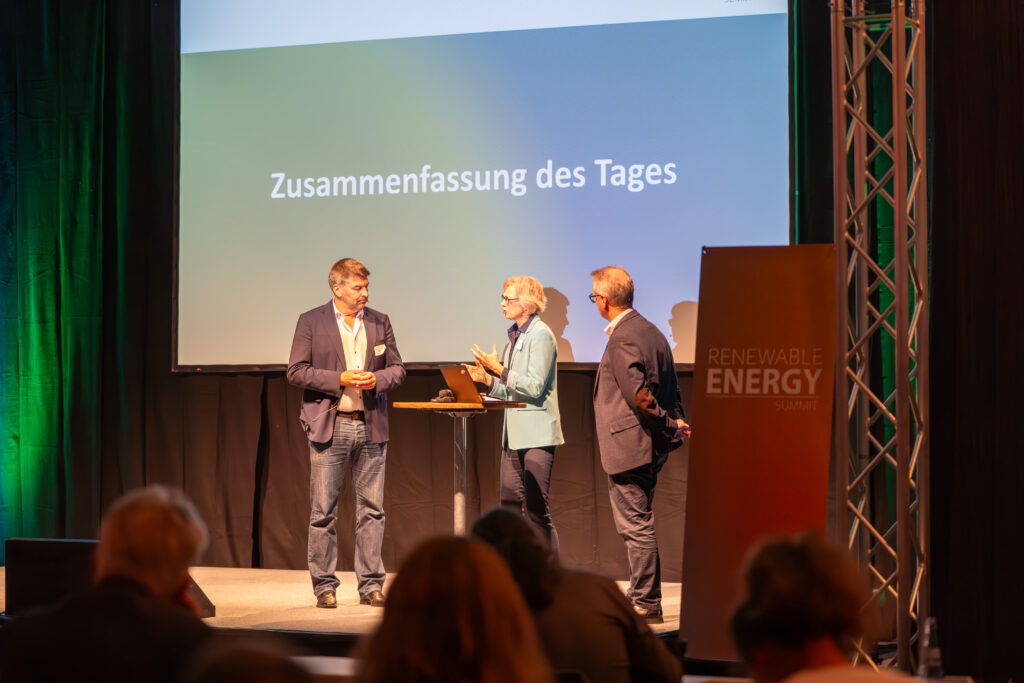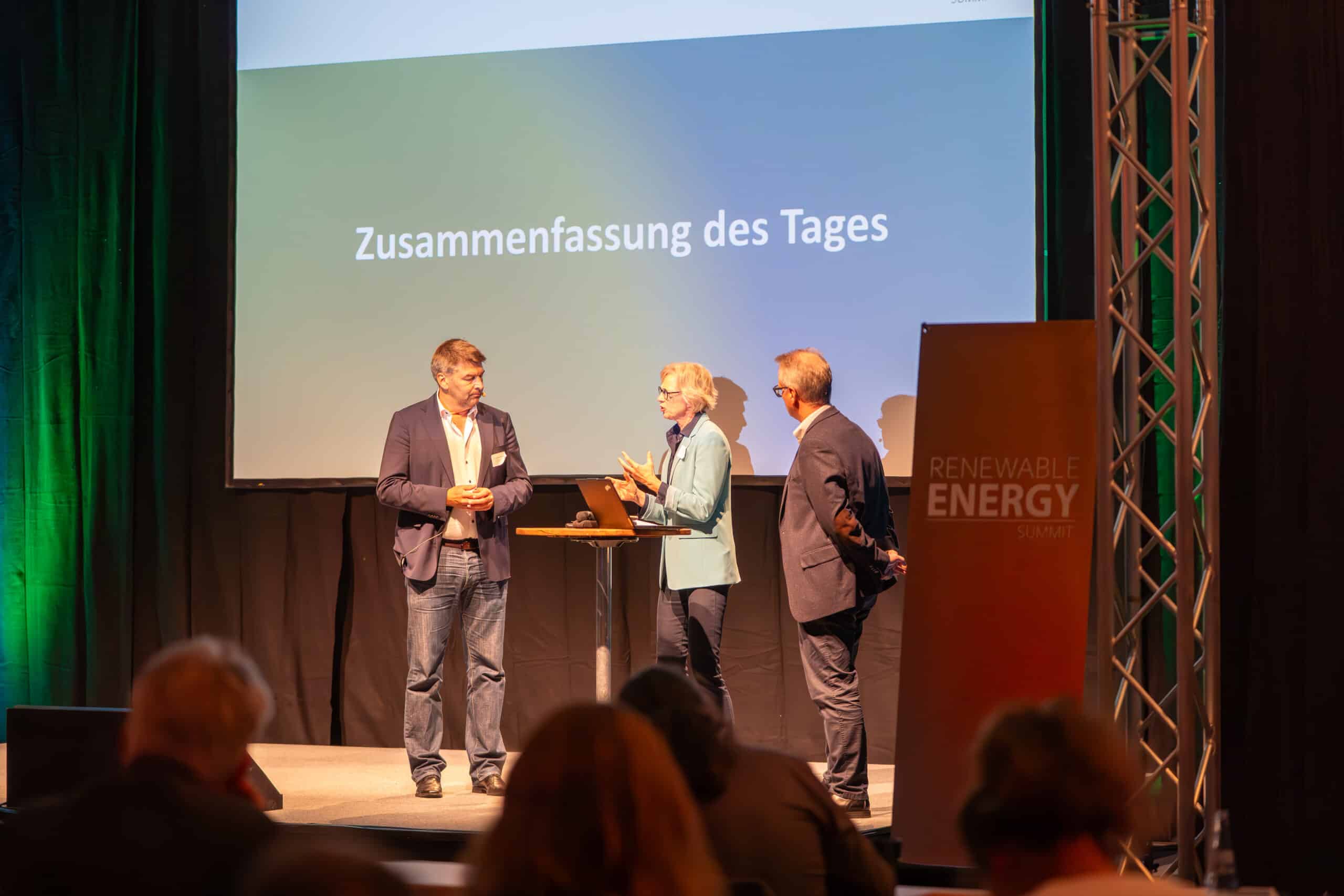
Celle, September 2025 – With the second Renewable Energy Summit, Hartmann Valves once again created a forum for exchanging views on forward-looking energy technologies. With a focus on hydrogen as an energy carrier and deep geothermal energy, participants discussed current projects, technological developments, and the economic and regulatory framework conditions. The conclusion: Courage, determination, and joint action are the key to a successful energy transition.
Hydrogen storage as a building block of the energy transition
One focus of the summit was the question of how a hydrogen market can develop, and how hydrogen storage can contribute to security of supply and flexibility in the energy system. Projects such as SaltHy were presented, as well as experiences from, for example, Gasunie, showing that underground storage solutions are becoming increasingly viable and will be necessary in the future.
At the same time, it became clear that rapid processing of permits and clear political framework conditions are crucial to translate the technological lead into practice.
Deep geothermal energy – heat for industry and agriculture
Deep geothermal energy was also in focus. Examples from Ahnsbeck in Lower Saxony and Polling/Tüßling in Bavaria illustrated how this technology can support district heating networks as well as industrial processes and agricultural applications. Cascade use was also discussed, in which the heat from a well is used multiple times—for example, to heat greenhouses or dairies. Another important aspect was the use of borehole mining for environmentally friendly lithium extraction by the company Vulcan Energy. Such concepts show that geothermal energy is economically viable while also contributing to climate protection.
Challenges and need for action
Despite the positive examples, the summit also made it clear: The path is still not free of obstacles. In particular, lengthy permitting processes, complex regulatory requirements, and uncertain funding conditions are slowing momentum.
In her presentation, Renate Klingenberg (VCI Nord) summed it up: As early as 1987, Der Spiegel warned of too slow a start in renewable energies. Almost four decades later, there is still an urgent need for action.
Conclusion
The Renewable Energy Summit 2025 provided a comprehensive overview of the current status of hydrogen projects and deep geothermal energy. The event showed that many practical solutions are available and that numerous stakeholders across the entire value chain are actively working on their implementation.
It is now up to policymakers to create clearer and more reliable framework conditions in order to accelerate the implementation of these technologies and effectively drive the energy transition forward. The summit underscores the importance of dialogue between science, industry, and politics and provides important impetus for the next steps towards a sustainable energy supply.